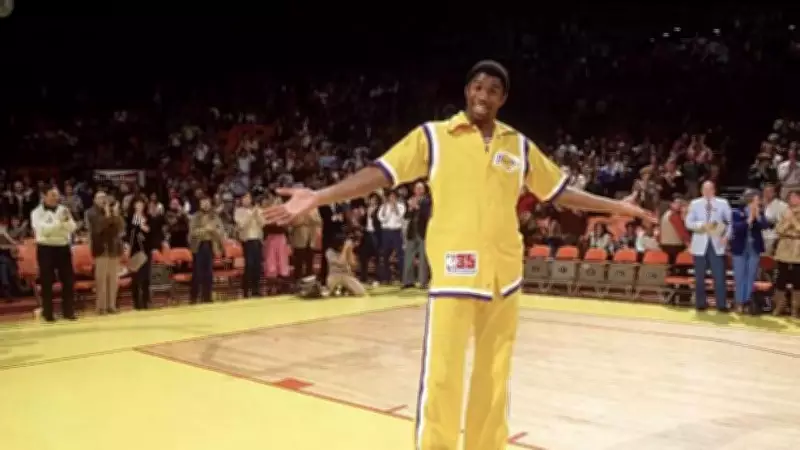
Magic Johnson's Historic All-Star Return: A Moment That Redefined Courage
In November 1991, basketball legend Magic Johnson delivered a shocking announcement that reverberated around the world. At the peak of his career with the Los Angeles Lakers, the five-time NBA champion revealed he was HIV-positive and would retire immediately. This revelation came during a time when HIV/AIDS was widely misunderstood and heavily stigmatized, often incorrectly associated with specific groups of people.
The Unforgettable Comeback at the 1992 NBA All-Star Game
Just three months after his retirement announcement, Magic Johnson made a triumphant return to the basketball court at the 42nd NBA All-Star Game in Orlando, Florida. Despite not playing during the 1991-92 regular season, fans overwhelmingly voted him into the game, demonstrating their unwavering support for the beloved athlete.
As Johnson stepped onto the court, the entire arena rose to its feet in a powerful standing ovation. This moment was particularly significant given the uncertainty surrounding his participation, with some players having voiced concerns about on-court safety. The emotional atmosphere intensified when longtime friend and NBA veteran Isiah Thomas greeted Johnson with a kiss, symbolizing solidarity and compassion.

A Performance That Transcended Basketball
Magic Johnson didn't just show up—he delivered a performance that instantly became part of basketball history. According to ESPN statistics, he scored 25 points and recorded 9 assists during the game. When the final buzzer sounded, players from both teams gathered around him in celebration, creating an iconic image of unity and respect.
Following his outstanding performance, Johnson was named the All-Star Game Most Valuable Player. This achievement cemented his powerful statement of greatness within an already unmatched legacy, proving that athletic excellence could coexist with a serious health diagnosis.
The Lasting Impact on HIV Awareness and Understanding
Magic Johnson's openness about his HIV status played a crucial role in changing public perception. At a time when misinformation about HIV/AIDS was rampant, his visibility helped people understand that this disease could affect anyone, regardless of background or lifestyle. His courage in returning to such a public platform challenged stereotypes and increased awareness on a global scale.
Johnson's All-Star appearance became more than just a basketball game—it transformed into a defining act of courage that changed sports forever. By performing at the highest level while living with HIV, he demonstrated that the condition did not define a person's capabilities or worth.
Later Career and Legacy
Magic Johnson briefly returned to the Lakers on January 29, 1996, before officially retiring for good later that summer. However, his impact extended far beyond his playing days. His 1992 All-Star performance remains a landmark moment in sports history, remembered not just for its athletic brilliance but for its profound social significance.
Today, Magic Johnson's legacy continues to inspire conversations about health, stigma, and resilience. His willingness to share his journey with HIV helped pave the way for greater understanding and compassion, making him not just a basketball icon but a humanitarian figure whose influence transcends the sport he loved.