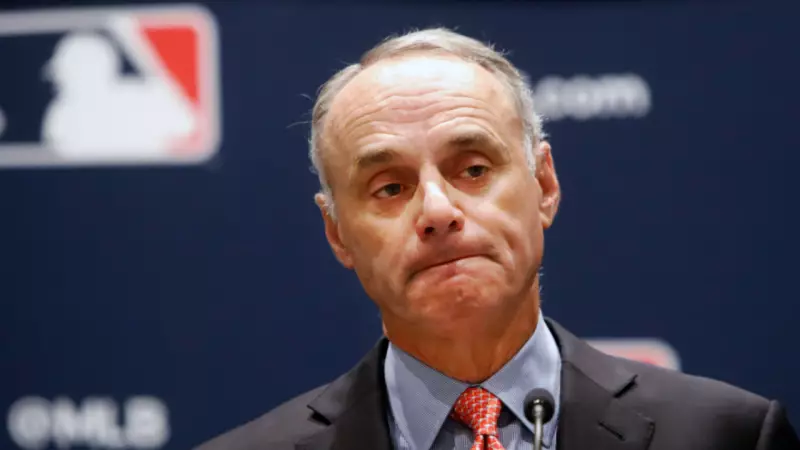
Major League Baseball Commissioner Rob Manfred has once again voiced his frustration with the sport's sluggish offseason, calling for a major overhaul to inject urgency into the free-agent market. He argues that the current drawn-out process drains excitement and alienates fans, especially when star players remain unsigned deep into the winter.
Manfred's Push for a Hard Deadline to Condense Action
Rob Manfred believes the baseball offseason has become notoriously slow, with teams often taking months to finalise significant contracts. With spring training on the horizon, several high-profile names still lack deals, a symptom of a system Manfred feels is broken. His proposed solution is a hard deadline for free agent signings, potentially aligned with the Winter Meetings in December.
This move, likely to be a key point in the next collective-bargaining agreement, aims to condense all major transactions into a shorter, more thrilling period. Manfred stresses that modern professional sports must maintain year-round relevance, not just during the regular season and playoffs. A compressed schedule would generate sustained media buzz, keep fans engaged, and provide clearer team outlooks much earlier.

Supporters of the idea add that an earlier deadline would help clubs finalise their rosters well before spring training, offering greater clarity for both teams and their supporters. While specifics are still undefined, the concept highlights MLB's growing focus on reforming the economic calendar of the offseason.
Players' Association Fears Loss of Leverage and Power
The proposal has immediately met strong resistance from the players' union. Tony Clark, the executive director of the Major League Baseball Players Association (MLBPA), has pushed back forcefully. The union contends that free agency works best for players when they have ample time to evaluate all offers without being rushed by an artificial deadline created by the league.
From the players' perspective, a strict deadline could undermine their negotiating leverage and force decisions that primarily benefit team owners. The MLBPA also questions whether such a deadline would genuinely increase spending or alter the competitive balance, pointing to other, more fundamental economic challenges within the sport.
A Looming Battle in Labor Negotiations
These opposing statements have thrust offseason reform back into the spotlight as labor negotiations loom on the horizon. The clash sets the stage for a significant debate between league leadership seeking to streamline and dramatise the winter months and a players' union determined to protect the freedoms and timing that benefit its members. The outcome of this dispute will shape how MLB's offseason operates for years to come.