Mitch Marner's Emotional Return to Toronto: A Night of Mixed Reactions
Mitch Marner walked back into Scotiabank Arena carrying more than just his hockey stick and helmet. The talented winger returned with years of memories, unresolved emotions, and a fan base still grappling with how to feel about his departure. From the moment he stepped onto the ice wearing Vegas Golden Knights colors, the building made its initial stance unmistakably clear.
Boos and Cheers Collide in Emotional Atmosphere
Sharp boos cut through the early warmup air, impossible to miss and setting the tone for what became one of the most emotionally charged regular-season games the Toronto Maple Leafs have hosted this year. The noise followed Marner everywhere—during his first warmup strides, when he lined up for the opening shift, and when he touched the puck just seconds into the game.
Yet the night was never one-dimensional. Applause consistently broke through the jeers, serving as reminders that this was once a hometown star who grew up dreaming of playing in this very rink. The split reaction perfectly reflected a fan base still wrestling with how a defining era of Maple Leafs hockey ultimately concluded.

The Tribute Video Moment That Shifted Emotions
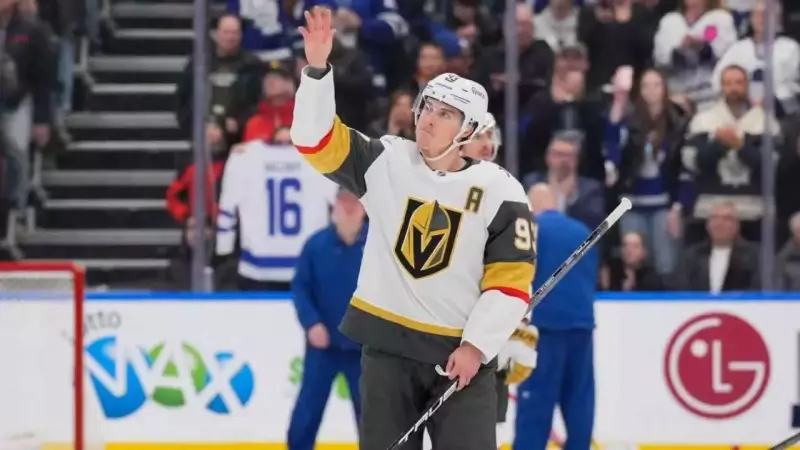
The emotional turning point arrived during the first television timeout. A tribute video rolled across the arena screens, celebrating nine seasons of brilliance, frustration, and loyalty intertwined. Initially, boos and cheers collided once more, but as the video progressed and eventually faded, the cheers gradually won out.
Marner skated to center ice, lifted his hand, tapped his chest meaningfully, and paused in acknowledgment. Teammates from both benches respectfully tapped their sticks in recognition. The moment felt less like closure and more like a necessary acknowledgment of what had been and what had changed.
Marner's Pre-Game Uncertainty and Post-Game Reflection
Before the game, Marner admitted he didn't know what awaited him emotionally. "I'm not sure," Marner said candidly. "We'll see as soon as warmups start. I am just excited to get back there. The building has meant a lot to me." Later, when asked about the tribute video, he added, "I'm sure it'll really hit once it starts going."
His departure continues to linger in Toronto because of what he represented to the franchise. Drafted fourth overall in 2015, Marner became the creative engine of a rebuild and established himself as one of the most productive players in Maple Leafs history. While regular-season success came relatively easily, playoff success remained elusive—a gap that turned him into a lightning rod for criticism, magnifying every mistake as expectations soared.
The Messy Departure and Its Aftermath
The exit itself proved messy and complicated. Trade rumors swirled, a declined waiver with a child on the way created additional tension, and eventually a sign-and-trade to Vegas officially closed the Toronto chapter. After the Leafs' Game 7 loss last spring, Marner revealed the darker side of fandom he experienced.
"I'm pretty disappointed, devastated. The thought also of it being my last Maple Leaf game at home," Marner told TSN during the summer. He later described needing security measures after strangers shared his home address online, adding, "It's unfortunate, but we all deal with this stuff sometimes."
Looking Forward While Toronto Looks Back
Now settled in Las Vegas, Marner's focus has decidedly shifted forward. "I don't want to look back," Marner emphasized. "If you look back, you'll not focus on what's in front of you." Toronto, however, continues looking at him, weighing cheers against boos, and realizing that some stories take much longer than one emotional night to truly settle.
The complex reception demonstrated how sports narratives extend beyond statistics and scores, touching on loyalty, expectation, and the difficult transitions that define both athletes' careers and fan relationships. As Marner continues his journey with Vegas, Toronto's mixed reactions suggest his legacy with the Maple Leafs remains an ongoing conversation rather than a concluded chapter.