Auston Matthews Injury Forces Toronto Maple Leafs into Critical Corner
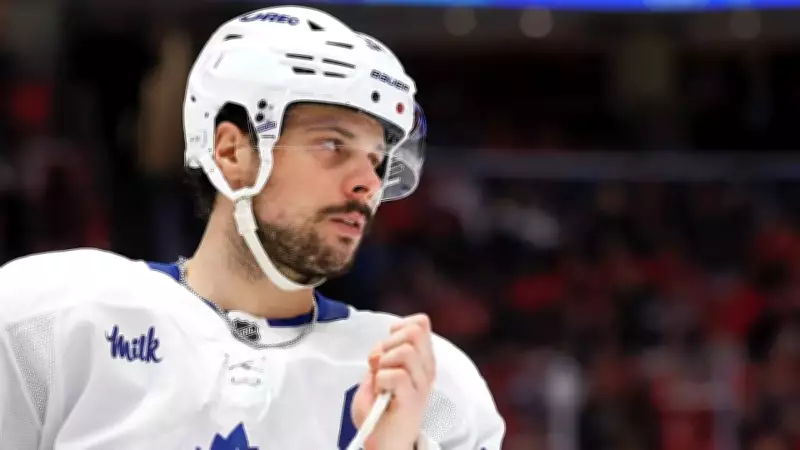
The Toronto Maple Leafs have been thrust into an urgent and difficult situation following the devastating injury to their captain, Auston Matthews. The news arrived swiftly on Thursday, confirming that Matthews underwent surgery on his MCL in New York, with a projected recovery period of twelve weeks. This development means the Maple Leafs must navigate the remainder of their regular season without their star player, a reality that leaves no room for gradual adjustment or easing into the challenge.
Playoff Hopes Hang in the Balance
What was once an uncertain scenario has now become a stark and settled fact. Matthews will not be returning to the lineup anytime soon, and Toronto's already slim margin for error has effectively vanished. Head coach Craig Berube had maintained a guarded stance earlier in the day, but the subsequent clarity only served to sharpen the immense challenge ahead. The Maple Leafs currently hold 70 points through 69 games, positioning them just outside the playoff picture. Every single game now carries monumental weight, and the entire locker room is acutely aware of this pressure. There is absolutely no time to wait this situation out; the team must respond immediately or risk watching their season drift irrevocably beyond reach.
Lineup Adjustments and Tactical Overhaul
The absence of Auston Matthews is not a problem that can be solved with a simple, single roster move. His impact touches every facet of the game. Matthews consistently handles the toughest matchups, drives the production of the top forward line, and provides the power play with its lethal edge. Without his commanding presence on the ice, opponents can narrow their defensive focus, making the playing surface feel significantly smaller for the remaining Maple Leafs players.

Coach Craig Berube is now forced to rethink his team's structure on the fly. Veteran center John Tavares will shift into a much heavier role down the middle, which inevitably means facing tougher defensive assignments and starting more shifts in his own zone. This is a demanding ask at this advanced stage of a grueling NHL season, but the team has little alternative. The responsibility must be redistributed somewhere.
Similarly, the role of William Nylander expands immediately. His exceptional ability to carry the puck through the neutral zone becomes absolutely central to how Toronto generates offensive opportunities. Clean zone entries now matter more than ever, with significantly less room for error and far fewer second chances if an offensive rush breaks down prematurely.
Power Play Reset and Statistical Concerns
The team's power play unit also requires a fundamental reset. Matthews provided Toronto with a premier shooting threat that forced opposing penalty killers to stretch their coverage. Without that elite option, the entire setup must change. Another player must step up to become the primary trigger man, an adjustment that rarely clicks into place overnight.
The existing statistics already hint at underlying trouble. A concerning minus-25 goal differential tells a story of season-long inconsistency, and losing an elite finisher like Matthews certainly does not help rectify that issue. If anything, his absence amplifies the pressure on a group that has struggled at times to maintain control of games from start to finish.
Leadership and the Path Forward
Coach Berube's tone and leadership will matter just as much as any tactical shift during this critical period. Publicly, he has maintained a calm and steady demeanor. Inside the locker room, however, the message must be sharper and more direct. This is the defining stretch of the Maple Leafs' season, a period that will determine their playoff fate.
There is no external cavalry arriving to save the day. The solution rests entirely with the players already in the room. They must adapt with speed and precision, or risk falling fatally behind in the standings. The goal for the Toronto Maple Leafs is now simple, even if achieving it is profoundly difficult: stay competitive and remain close enough in the playoff race for long enough to make Auston Matthews' eventual return meaningful.