The Hidden Struggle Behind Athletic Glory
While the world celebrates medals and record-breaking performances, a critical aspect of athletic life often remains in the shadows: mental health. Athletes are universally admired for their physical prowess and competitive spirit, yet many contend with significant psychological challenges that rarely make headlines.
Global Athletes Breaking the Silence
Prominent figures across sports have courageously shared their mental health journeys. Swimming legend Michael Phelps, tennis stars Naomi Osaka and Serena Williams, boxing champion Tyson Fury, and Indian icons like PV Sindhu and Virat Kohli have all spoken openly about the psychological demands of elite competition.
A startling 2019 International Olympic Committee review revealed that approximately 45% of top male athletes in team sports—including hockey, football, cricket, and rugby—experience symptoms of anxiety and depression. The same study documented concerning substance use patterns, with some athletes turning to painkillers and opioids to manage physical pain, accelerate recovery, or cope with training and competitive stress.

An Indian Badminton Player's Personal Journey
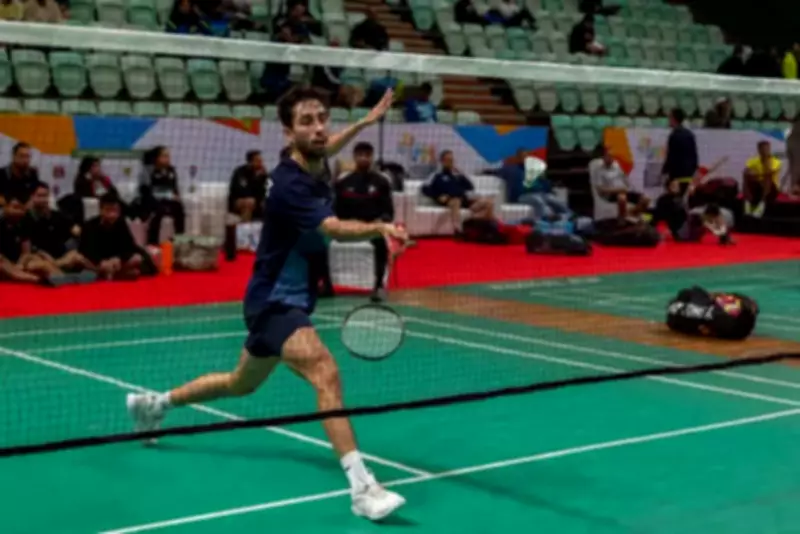
Orijit Chaliha, an emerging Indian men's singles badminton talent from Guwahati, Assam, recently shared his mental health experiences in an exclusive conversation. Currently ranked 20th nationally with a career-high national rank of 9 and world ranking of 156, Chaliha won his first senior international medal—a silver—at the 2025 Victor Croatian International.
Now training under two-time national champion Arvind Bhatt at Bangalore's Simply Sport Badminton Academy, Chaliha believes the sports world is finally giving mental wellbeing the attention it deserves. "More athletes are talking about their hardships and their journey, whether on YouTube, Instagram, or other platforms. This encourages others to open up as well," he explained. "Physical struggles were always highlighted, but mental struggles were considered taboo for a long time. That is changing now."
Confronting Burnout and Rediscovering Passion
Chaliha faced a significant psychological challenge in 2020 during his transition from the U-19 circuit to senior competition. The relentless daily training regimen became exhausting and monotonous, eventually leading to burnout. "It reached a point where winning didn't feel exciting and losing didn't bother me either. I just lost the motivation to play," he recalled.
Despite societal pressure suggesting that breaks could derail athletic careers, Chaliha made the courageous decision to step away from badminton indefinitely. "Eventually I made a bold decision to take a break from the sport and distance myself from it indefinitely and get back to it once I felt the desire to play again. I'm extremely fortunate to have a support system who supported this decision," he said.
This period of reflection proved transformative. "Being away from the sport helped me look at the bigger picture and separate myself from the everyday grind and look at things rationally," Chaliha explained. After several months, he gradually rediscovered his love for badminton, returning to training at his own pace with renewed competitive drive.
Building Resilience Through Acceptance
Chaliha emphasizes that embracing criticism and failure is essential for professional development. "At some point in your career, you realise criticism and failure are part of the process of becoming a champion. The better you play, the more people will notice your performance—it's inevitable that some of it will be negative," he stated.
He reframes criticism as a form of recognition: "When people critique you, it shows you're making an impact. Failures teach you what to improve, and using that feedback makes you a stronger player."
Evolving Support Systems in Indian Sports
The infrastructure for athlete mental health in India is gradually improving, according to Chaliha. "National centers, especially in badminton, now hire psychologists who travel with players for domestic and international tournaments. A few years ago, this was unseen. Now, players can talk to psychologists before and after matches, which is a huge step forward," he noted.

He observes cultural differences in pressure management: "Players in Western countries usually take criticism more easily, while in India and other Asian countries, athletes and their support teams are tougher on themselves. It's stricter, but it also helps build resilience."
Strategies for Managing Pressure
Chaliha advocates for proactive pressure management. "Pressure will always be there. It's important to treat it as normal and find strategies that work for you. Take time off the court to think about situations that make you feel pressured and plan how you'll handle them. Accepting pressure and preparing for it helps build resilience," he advised.
For maintaining motivation during difficult periods, Chaliha follows a simple yet powerful mantra: "The only way is through." He elaborates: "Whatever challenge comes your way, the only way to overcome it is by going through it. Every situation is a learning opportunity, and facing obstacles makes you stronger and a better athlete."
As mental health awareness continues to grow in sports, athletes like Orijit Chaliha are paving the way for more open conversations, better support systems, and ultimately, healthier approaches to elite athletic performance.