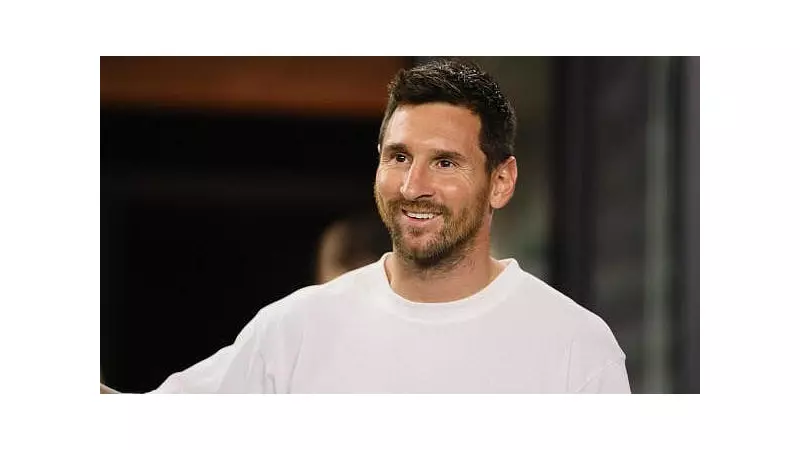
The recent high-profile visit of football legend Lionel Messi to India has ignited a crucial conversation that goes beyond the fanfare. While such events generate immense buzz and temporary excitement, a deeper question emerges about their lasting impact on the foundation of sports in the country.
The Allure of the Spectacle vs. The Need for Roots
There is no denying the electric atmosphere created when a global icon like Lionel Messi sets foot on Indian soil. The media frenzy, the sold-out events, and the social media storm offer a potent dose of instant validation. It feels, momentarily, as if India has arrived on the world's sporting map. However, as argued by Aditya Mukherjee in his opinion piece dated 18 December 2025, this glitter often obscures a more pressing reality.
The core of the critique lies in the transient nature of such spectacles. They satisfy an immediate craving for recognition but frequently fail to translate into sustained investment or structural improvement at the grassroots level. The focus shifts to photo-ops and celebrity optics rather than the unglamorous, long-term work of building coaching infrastructure, youth academies, and accessible facilities for the masses.

What Indian Sport Truly Needs
For Indian sport to evolve from being a consumer of global spectacles to a producer of world-class talent, the blueprint must change. The energy and resources channeled into hosting celebrity visits could be strategically redirected. The real growth happens away from the camera flashes, in local playgrounds, school competitions, and state-level training centers.
Strengthening the roots of Indian sport requires a different kind of investment:
- Sustained funding for grassroots coaching and talent identification programs.
- Development of quality public sporting infrastructure across towns and cities.
- A robust domestic league structure that nurtures homegrown players.
- Integrating sports education deeply into the school curriculum.
Beyond the Moment of Validation
The visit of a figure like Messi is undoubtedly inspirational for young aspirants. It shows them the pinnacle of achievement. Yet, inspiration alone cannot build a sporting ecosystem. Without a clear pathway from inspiration to opportunity, the moment fades, leaving the underlying system largely unchanged.
The challenge for India is to leverage the interest generated by these mega-events and convert it into tangible, systemic progress. The conversation must move from "Did you see Messi?" to "Where can my child train to be the best?" and "How is our local sports academy funded?"
In conclusion, while celebrity visits add to the cultural tapestry and provide fleeting excitement, they are not a substitute for the hard, foundational work needed. As Mukherjee's piece suggests, true sporting strength is built not in the glare of a one-day spectacle but in the consistent, daily grind of nurturing talent from the ground up. The future of Indian sport depends on which of these two paths receives greater priority.