Michael Phelps Opens Up About His Uncompromising Olympic Mindset
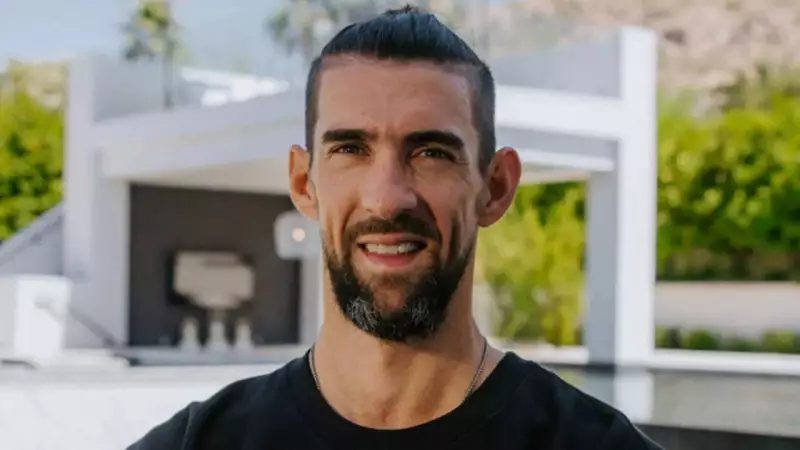
Michael Phelps, the most decorated Olympian in history, has once again shared the intense mindset that drove his legendary swimming career. In a recent podcast appearance, the American icon made a startling confession. He never viewed silver or bronze medals as achievements. To Phelps, those medals simply meant he had lost the race.
The Champion's Definition of Success
Phelps earned an incredible 28 Olympic medals across five separate Olympic Games. This haul includes a record-breaking 23 gold medals. Despite this unmatched collection, Phelps maintains a clear perspective. He believes only first place truly mattered in his career. Any other finish meant another athlete performed better on that particular day.
His recent comments on the "Raj Elevates" podcast have surprised many fans. However, they also provide crucial insight. This mindset explains how Phelps pushed himself to reach a level no other swimmer has ever matched.

Phelps Speaks Candidly on Podcast
Michael Phelps discussed his philosophy during the podcast episode, which aired earlier this month. He left no room for ambiguity about his feelings toward second or third place finishes.
"I don't even know how many silver and bronze medals I have," Phelps stated frankly. "I don't like to lose. Silver is losing, right? You got second place. You lost. Third place? You lost. It's losing."
The swimming legend competed in 30 Olympic races between the years 2000 and 2016. He won medals in an astonishing 28 of those events. Yet, Phelps only counts the races where he stood on the highest podium step.
"I medaled in 28 out of 30 of my races at the Olympic Games," he explained. "Twenty-three are the ones we need to talk about because in the others, I was unprepared. Somebody else was more prepared than me."
A Simple Podium Philosophy
For Michael Phelps, the podium represented a straightforward equation. A gold medal signaled he had executed everything perfectly. A silver or bronze medal indicated something had gone wrong. This belief fueled him through countless hours of grueling training, endless early mornings, and long competitive seasons spent far from home.
Phelps first arrived at the Olympic stage as a 15-year-old at the Sydney 2000 Games. By the time he swam his final Olympic race at the Rio 2016 Games, he had permanently transformed the sport of swimming.
Historic Performances and Lasting Legacy
His career featured legendary performances across multiple Olympic Games:
- 2004 Athens Olympics: Solidified his status as a global star.
- 2008 Beijing Olympics: Achieved the unprecedented feat of winning eight gold medals at a single Games.
- 2012 London Olympics: Continued his dominance in the pool.
- 2016 Rio Olympics: Concluded his Olympic journey with more gold.
Phelps has consistently emphasized that preparation was everything. He dedicated years to controlling every minute detail of his performance. His recent remarks demonstrate that his competitive fire never dimmed, even after shattering numerous world records.
For Michael Phelps, silver and bronze medals offered no consolation. They served as stark reminders. They told him another swimmer had touched the wall first. And in his champion's mind, that result was never acceptable.