Major League Baseball Embraces ABS Challenge System for Enhanced Fairness
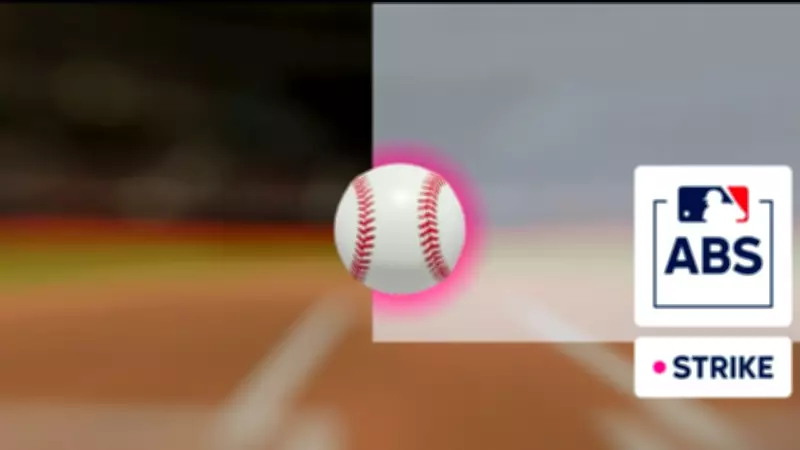
Major League Baseball has embarked on one of its most significant technological transformations in recent years with the adoption of the automated ball-and-strike challenge system. This innovative approach represents a careful balance between leveraging advanced technology and maintaining the traditional human element of umpiring that has defined the sport for generations.
The Hybrid Approach: Technology Supporting Human Judgment
The ABS challenge system does not replace umpires entirely but rather provides players with a mechanism to contest specific calls during critical moments of gameplay. This method emerged from extensive testing in minor leagues and exhibition games, where league officials carefully studied how technology could enhance accuracy without disrupting baseball's fundamental rhythm.
League executives implemented this rarely invoked system in response to mounting pressure from both players and fans who demanded more consistent officiating standards. The challenge system specifically addresses concerns about strike zone variations that can occur depending on an umpire's positioning and interpretation of the plate.

Spring Training Controversy Highlights System's Value
A recent Spring Training incident perfectly illustrated why the ABS system matters in modern baseball. During a crucial at-bat, a pitch that appeared to sail outside the traditional strike zone was called a strike by the umpire, prompting immediate dissent from players. Such moments can dramatically swing individual at-bats and potentially alter game outcomes.
"Challenge systems help stave off prolonged arguments over calls and keep the game moving," explained league officials. The ABS challenge model is scheduled for broader experimentation in upcoming seasons and may fundamentally transform how pitch calling is handled throughout professional baseball.
How the ABS Challenge System Operates
MLB has implemented the ABS challenge system primarily to enhance accuracy without eliminating human judgment. The system utilizes high-precision tracking technology that allows players to challenge controversial calls almost immediately after they occur. Pitchers, catchers, and batters all have the ability to initiate challenges when they believe an incorrect call has been made.
In practice, a statistically significant number of challenges lead to reversed decisions, demonstrating the system's effectiveness. League officials emphasize that ABS represents a hybrid approach rather than complete automation, intentionally designed to preserve baseball's traditions while addressing fairness concerns.
- Players can challenge specific calls without replacing umpires entirely
- High-precision tracking technology enables immediate review capabilities
- The system maintains strategic elements like pitch framing
- Catchers' defensive abilities remain relevant as most pitches are still called by umpires
Addressing Concerns and Looking Forward
Some baseball purists have expressed concerns that technology might diminish the traditional feel of the sport. However, proponents argue that fairness matters most during decisive moments of gameplay. Because reviews occur immediately through state-of-the-art ball tracking technology and instant communication networks, the challenge system minimizes game delays while ensuring accurate calls.
The fourth pitch in the Spring Training dispute became a textbook example of the ABS system's value. The batter's immediate reaction to what appeared to be an incorrect call demonstrated how such disputes occur with some frequency, particularly as players acclimate to different pitchers' rhythms during preseason games.

- The system gives players opportunities to remedy potentially game-changing mistakes
- It reduces protracted disputes and potential ejections
- Players and managers have generally responded positively during testing phases
- The technology provides teams with more control over key at-bats
MLB officials anticipate further refinement of the technology before potential leaguewide implementation. The ABS challenge system could ultimately influence how baseball strategies evolve, particularly in late-inning situations where every pitch carries increased pressure and higher stakes. League executives believe this hybrid approach represents the future of officiating across professional sports, balancing technological precision with baseball's cherished traditions.