Major League Baseball Players Association Faces Leadership Shakeup Ahead of Critical Labor Talks
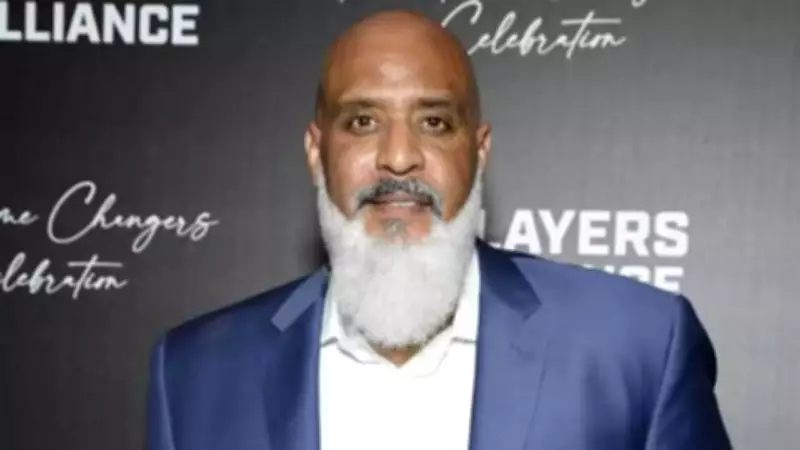
In a development that could reshape the landscape of professional baseball, the Major League Baseball Players Association (MLBPA) is reportedly on the brink of a significant leadership change at a highly sensitive juncture. According to exclusive reporting by Evan Drellich of The Athletic, MLBPA executive director Tony Clark is expected to step down from his position just months before the current collective bargaining agreement (CBA) is set to expire on December 1, 2024.
Timing Creates Immediate Impact and Uncertainty
The timing of this potential resignation has immediately captured attention across the baseball world, as the league and players are anticipated to enter into what could be particularly challenging negotiations that will fundamentally shape the future of the sport. The reported leadership transition has already led to concrete operational changes within the union's activities.
The MLBPA had originally scheduled to begin its annual spring training visits to team camps, but their first planned stop at the Cleveland Guardians' facility was abruptly canceled following news of Clark's expected departure. This cancellation underscores the immediate practical implications of the leadership uncertainty as the union prepares for what many anticipate could be contentious labor discussions.

Tony Clark's Legacy and the Coming Transition
Tony Clark has served as a central figure representing MLB players for more than a decade, bringing both playing experience and institutional knowledge to his role. After completing a 15-year career as a player in the major leagues, Clark joined the MLBPA in 2010 as director of player relations before ascending to the executive director position in 2013.
During his tenure at the helm, Clark helped guide players through multiple rounds of labor negotiations, including navigating the difficult 2022 lockout that ultimately delayed that season's Opening Day by one full week. His leadership through that challenging period demonstrated his ability to manage complex labor relations during times of significant tension between players and team owners.
Now, with the current collective bargaining agreement scheduled to expire on December 1, Clark's possible departure raises substantial questions about who will steer players through the next critical round of negotiations. The union's deputy executive director, Bruce Meyer, is widely viewed as a likely successor, though no official confirmation has been provided regarding this transition.
Potential Successors and Internal Dynamics
Reports from ESPN have indicated that while Meyer represents a logical internal candidate for the executive director position, some players have previously expressed concerns about his approach, while others have supported alternative leadership ideas. Among those mentioned as potential candidates is lawyer Harry Marino, who played a pivotal role in helping minor-league players unionize before the 2023 season, demonstrating his organizing capabilities within baseball's labor landscape.
The leadership decision carries particular weight as discussions about potential future labor conflicts are already growing louder throughout the baseball community. Concerns have emerged that disagreements over fundamental issues like the potential implementation of a salary cap could create major tension before the next agreement is finalized, making stable and effective union leadership absolutely essential.
Additional Context and Player Perspectives
Clark's expected resignation comes amid additional developments that add layers of complexity to the situation. According to further reporting from The Athletic, a federal investigation is currently examining whether MLBPA officials may have improperly used licensing money or equity, though specific details remain limited.
New York Mets infielder Marcus Semien, who serves as a member of the MLBPA's executive subcommittee, offered perspective on the situation in comments to Joel Sherman of the New York Post. Semien suggested that Clark may be stepping away to focus on addressing the investigation situation, while also expressing uncertainty about whether Bruce Meyer would continue as the lead negotiator moving forward into the critical bargaining period.

With formal labor talks expected to intensify in the coming months, the union's leadership decision will undoubtedly play a pivotal role in determining how the next collective bargaining agreement unfolds and whether professional baseball can successfully avoid another work stoppage that would disrupt the sport and disappoint fans across the country.