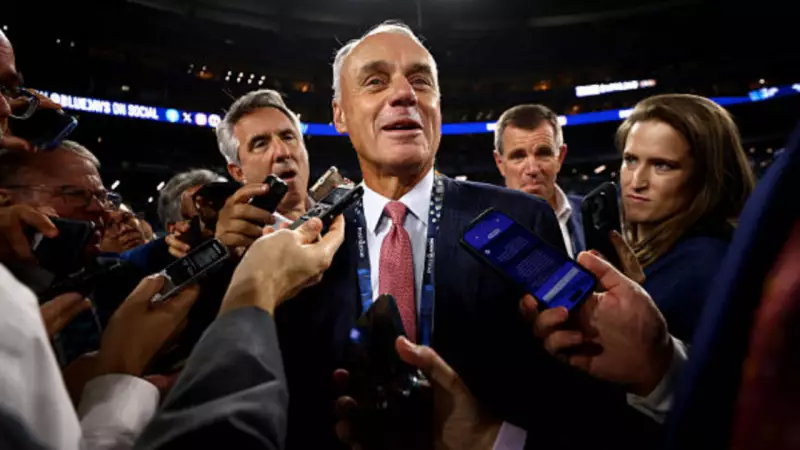
Major League Baseball Commissioner Rob Manfred has opened up about potential future changes to the sport's structure, revealing that concepts like an in-season tournament and a split season have been part of internal discussions. However, he stressed that these are purely exploratory at this stage, with no concrete plans for immediate implementation.
Manfred's Candid Comments on Format Evolution
In a recent radio interview, Commissioner Manfred offered frank insights into how the league is thinking about evolving the game. He confirmed that both an in-season tournament and a split-season model have been discussed within MLB's leadership circles. An in-season tournament would create a new, separate competition running alongside the regular 162-game schedule, potentially offering fresh incentives for teams and generating new storylines during the summer months.
Manfred also addressed the split-season concept, where the schedule would be divided into two distinct parts, each with its own standings or playoff qualification implications. Despite the brainstorming, the commissioner was quick to temper expectations. He characterized these ideas as "exploratory as opposed to having actual plans afoot." He emphasized that baseball's intricate calendar, deeply tied to season-long statistics and historic records, makes any significant restructuring "extremely tricky."

Balancing Innovation with Baseball's Historic Fabric
The commissioner reiterated a core principle guiding these talks: ensuring the integrity of the sport's history is paramount. Any move away from the traditional 162-game season risks diminishing the significance of historic records and cherished rivalries that form the bedrock of baseball. Manfred's comments, notable for their transparency, indicate MLB's willingness to explore ways to boost competitive interest across the grueling marathon of a season, even if major changes remain hypothetical for now.
Reaction from fans and analysts has been mixed. Some see innovative formats as a way to spike viewer interest, particularly during parts of the calendar that traditionally see lower engagement. Others express deep concern that tinkering with the foundational structure could alienate the sport's core audience.
The Long Road to Any Potential Change
It is crucial to understand that any formal change would require years of negotiation with the MLB Players Association (MLBPA) and would need final approval from the league's team owners. A multitude of complex factors—including travel logistics, financial implications, and scheduling nightmares—would need to be solved. For the time being, Manfred appears cautious about rushing into reform, focusing instead on assessment and dialogue.
Ultimately, Manfred's recognition of these concepts confirms that MLB's management is actively contemplating how to modernize the game's presentation and engagement without sacrificing its essential character. The conversation is alive, but the action, for now, is on hold.