Olympic Medallist's Emotional Live TV Confession of Cheating Ignites Internet Firestorm
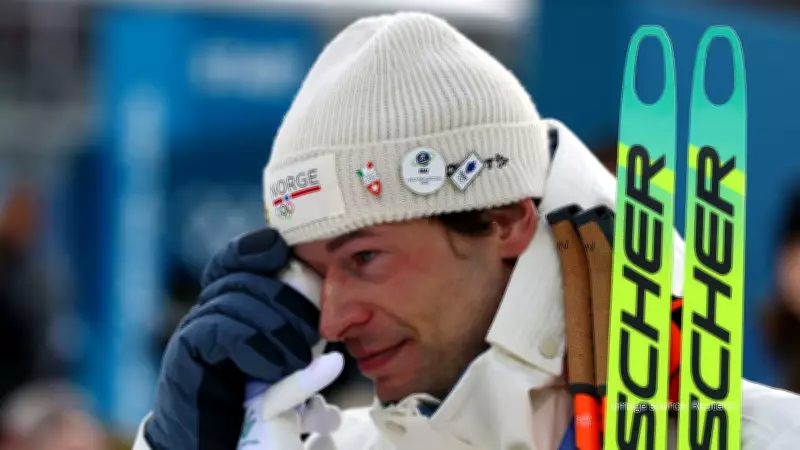
Norwegian biathlete Sturla Holm Laegreid made headlines at the 2026 Winter Olympics not for his athletic achievement, but for a deeply personal and emotional confession broadcast live on television. During a post-race interview, the 28-year-old bronze medallist revealed he had cheated on his girlfriend, whom he described as "the love of his life," sparking a significant backlash and intense online debate.
A Heartfelt Admission Amid Olympic Glory
Speaking to Norwegian state broadcaster NRK after winning bronze in the men's 20km individual biathlon race in northern Italy, Laegreid became visibly emotional. He expressed that he felt he had lost something far more valuable than a medal, stating, "There's someone I wanted to share it with who might not be watching today." The athlete elaborated that he met his partner six months ago but made a serious mistake three months prior by cheating on her. He disclosed the infidelity to her just a week before the interview, calling it "the worst week of my life."
Fighting back tears, Laegreid reflected on how this personal turmoil had reshaped his perspective. "I had a gold medal in my life, and there are probably many who look at me with different eyes, but I only have eyes for her. Sport has taken a slightly different place [in my life] the last few days. I wish I could share it with her," he added, highlighting the emotional weight of his confession.

Internet Reacts with Fury and Criticism
The confession quickly went viral, with social media users labeling Laegreid a "walking red flag" and accusing him of performative behavior. Many criticized his decision to share such private details publicly, suggesting it might be an attempt to manipulate his ex-partner or gain sympathy. One user commented, "His love is shallow. His care is performative. I hope she finds someone whose love doesn't suck." Another emphasized, "This is why it's an instant turn-off when manipulative men cry. It's so disingenuous."
A third reaction pointed to the audacity of the act, saying, "Confessing to cheating for clout and to manipulate his ex into taking him back is wild, but if nothing else, men have the audacity. I hope that woman is enjoying her peace and has him blocked everywhere." The backlash underscored widespread skepticism about the sincerity and timing of his public admission.
Laegreid's Reflection and Personal Struggles
Hours after the interview, Laegreid expressed regret, admitting he may not have been in the right mental state to speak publicly. In a follow-up statement reported by Sky News, he said, "Maybe it was really selfish of me to give that interview. So yeah, I don't know. I was, I'm a bit, I don't know... I'm not really here mentally. So yeah, we will see what happens." This reflection came amid additional personal challenges, including coping with the grief of teammate Sivert Guttorm Bakken's death in December last year.
The bronze medal win placed Laegreid behind gold medalist Johan-Olav Botn of Norway and silver medalist Eric Perrot of France in the biathlon event. However, the focus shifted dramatically from his athletic performance to his personal life, raising questions about the intersection of sports, mental health, and public scrutiny.
This incident highlights the intense pressure faced by athletes on the global stage and the complex dynamics of personal mistakes playing out in the public eye. As the story continues to unfold, it serves as a poignant reminder of the human vulnerabilities behind Olympic glory.