How Politics Has Hijacked the World of Sports
In recent years, the intersection of international conflict and national imperatives has increasingly disrupted the sporting arena. This friction primarily manifests at an institutional level, pitting sporting governing bodies against national governments. As a result, athletes find themselves ensnared in a complex web of political consequences and stringent regulations, struggling to compete on a level playing field.
Olympic Bans and Global Sporting Sanctions
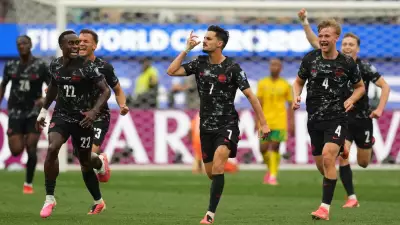
One of the most visible examples of this politicization is the imposition of Olympic bans on nations due to geopolitical tensions or violations of international norms. These sanctions, often driven by political decisions, can bar entire teams from participating in the world's premier sporting event. Athletes from affected countries, who have trained for years, face the heartbreak of being sidelined through no fault of their own, highlighting how political disputes can override the spirit of sportsmanship.
Cricket Meltdown in South Asia
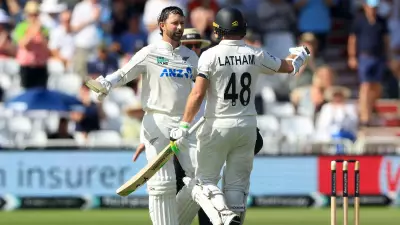
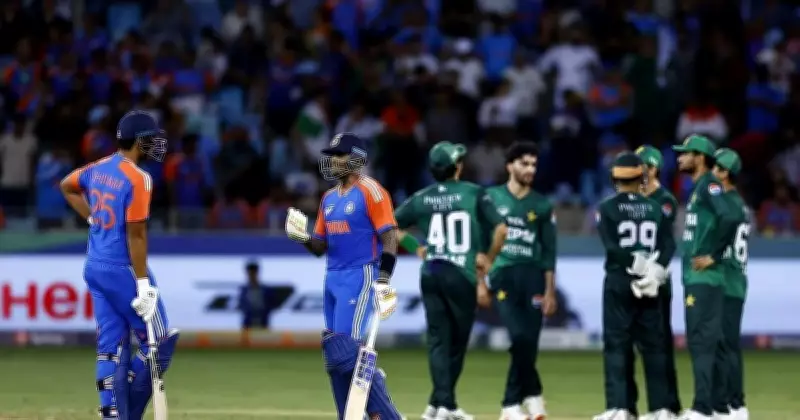
In South Asia, cricket—a sport deeply embedded in the region's culture—has not been immune to political interference. Tensions between nations have spilled over into the cricketing world, leading to canceled tours, boycotts, and heated diplomatic exchanges. Governing bodies like the International Cricket Council (ICC) often find themselves navigating delicate political landscapes, balancing the integrity of the sport with the pressures from member nations. This has created an environment where matches are as much about national pride as they are about athletic competition, sometimes at the expense of the players' careers.

The Institutional Battle: Governing Bodies vs. Governments
The core of this issue lies in the clash between sports institutions and governmental authorities. Sporting bodies aim to maintain neutrality and focus on fair play, while governments may use sports as a tool for diplomacy, propaganda, or asserting national identity. This institutional friction can lead to:
- Regulatory conflicts: Disputes over eligibility, funding, and participation rules.
- Diplomatic pressures: Nations leveraging sports events to make political statements.
- Economic impacts: Sanctions affecting sponsorships and broadcasting rights.
Athletes Trapped in the Crossfire
Athletes are often the unintended victims in these political skirmishes. They must adhere to rules set by both sporting federations and their home countries, which can be contradictory or punitive. Cases of athletes being barred from competitions due to their nationality, or facing backlash for political statements, are becoming more common. This not only hampers their performance but also raises ethical questions about the role of sports in society.
The ongoing tension between politics and sports underscores a global challenge: how to preserve the purity of athletic competition while acknowledging the realities of international relations. As conflicts persist, the need for dialogue and reform in sports governance becomes ever more urgent to protect the interests of athletes worldwide.