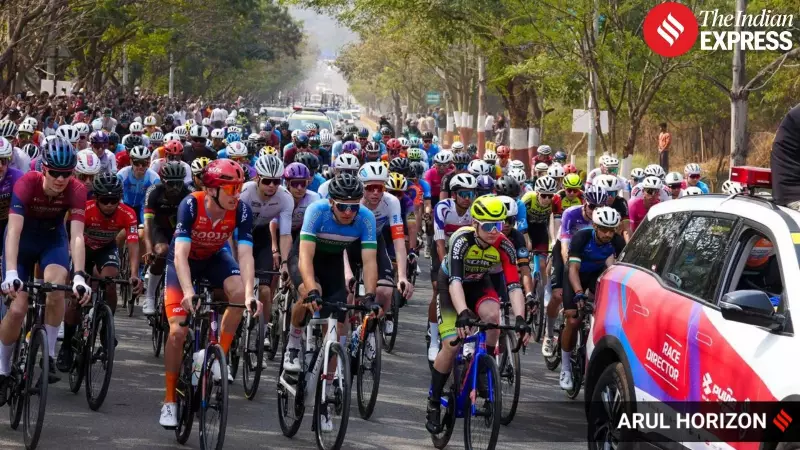
Pune has set a new benchmark for cycling events in India, with its recent Grand Tour race receiving glowing reviews from international experts. The city's decision to implement full road closures and deploy around 3,000 police officers ensured a smooth and obstruction-free experience for cyclists, showcasing a commitment to world-class organization.
European Experts Laud Pune's Crowds and Infrastructure
Graham Jones, a veteran commentator with five years of Tour de France experience, expressed his admiration for the event. He noted that this is possibly the best 2.2 level race he has seen in terms of funding and organization, especially when starting from scratch. The 2.2 category represents the fourth-tier of Pro Cycling road races, making Pune's achievement even more remarkable.
Exemplary Crowd Behavior Stands Out
What truly captivated the experts were the thousands of spectators who lined the streets. Jones highlighted that while large crowds can often be a concern, Pune's audience was exceptionally well-behaved. Unlike events like the Tour de France, where spectators sometimes obstruct riders for selfies, the Pune crowds maintained a safe distance, cheering enthusiastically without causing any disruptions.

Ned Boulting, another commentator with 23 years of Tour de France experience, echoed this sentiment. He described the crowds as the stars of the event, with people leaving their shops, homes, and offices to cheer from a safe distance. Boulting emphasized that such behavior is not taken for granted, as it rarely happens in Europe, where turnout can be sparse.
Infrastructure Investments Pay Off
The race also benefited from significant infrastructure improvements, with authorities laying 473 kilometers of roads specifically for the event. This investment has raised questions about why India, with its rich and diverse population, does not have more professional cyclists competing in Europe. Experts suggest that Pune's success could inspire a new generation of Indian riders.
Broadcast drones captured stunning visuals of forts, temples, and scenic routes through mountains, lakes, and villages. The hope is that this event will leave a lasting legacy, potentially inspiring future Tour de France winners who first discovered cycling in Pune.
Global Recognition and Future Prospects
Italian pro rider Jacopo Guarnieri, a regular at the Tour de France for eight years, reached out to express his intrigue with the race, noting it looked fantastic on television. This positive feedback suggests that larger European teams may participate in future editions.
Amina Lanaya, vice president of the international cycling body UCI, praised the event and emphasized the need for an Indian rider to identify with, aiming to elevate cycling to the same status as cricket in India. She also highlighted plans to help the national federation improve road racing levels and focus on BMX, with more Indians invited to training centers in Switzerland.
When asked about the key to hosting similar races in other Indian cities, Lanaya humorously credited Pune's district collector, Jitendra Dudi, for getting things done efficiently.
Personal Touches and Cultural Exchange
The event was not just about cycling; it also fostered cultural exchange. Graham Jones, for instance, immersed himself in Pune's heritage by visiting landmarks like the Agakhan Palace and Lal Mahal, and even discovered the local dish poha, adding a personal touch to his professional experience.
Overall, Pune's Grand Tour has demonstrated that with proper planning, investment, and community support, India can host world-class cycling events that resonate globally and inspire future athletes.