For Muslim athletes preparing for competitions during Ramadan in February 2026, the challenge of maintaining elite performance while fasting from sunrise to sunset is a significant one. This annual spiritual practice requires a strategic overhaul of training, nutrition, and recovery routines. However, emerging sports science and real-world examples from world-class competitors prove that fasting and high-level athletic achievement are not mutually exclusive.
The Science of Fasting and Athletic Performance
Contrary to common assumptions, recent research indicates that Ramadan fasting does not inevitably lead to a decline in sports performance. A systematic review published in the Journal of Modern Social Sciences in 2025 concluded that while fasting alters hydration and energy availability, its impact on anaerobic and aerobic performance is generally limited if managed correctly. The study emphasized that effects on endurance and strength could even be improved with proper training and nutrition management.
The science suggests that the body adapts to intermittent fasting by becoming more efficient at utilizing fat stores, sparing carbohydrates. The key takeaway is that performance loss is not a foregone conclusion; instead, training adaptation, hydration planning, and sleep timing are the critical deciding factors.

Strategic Adjustments: Timing, Hydration, and Sleep
Elite athletes and coaches globally have developed effective frameworks to navigate Ramadan. The consensus is clear: shifting intense training sessions to after sunset (post-Iftar) or early morning (pre-Suhoor) yields the best results. This allows for crucial fuel and hydration intake before and after exertion.
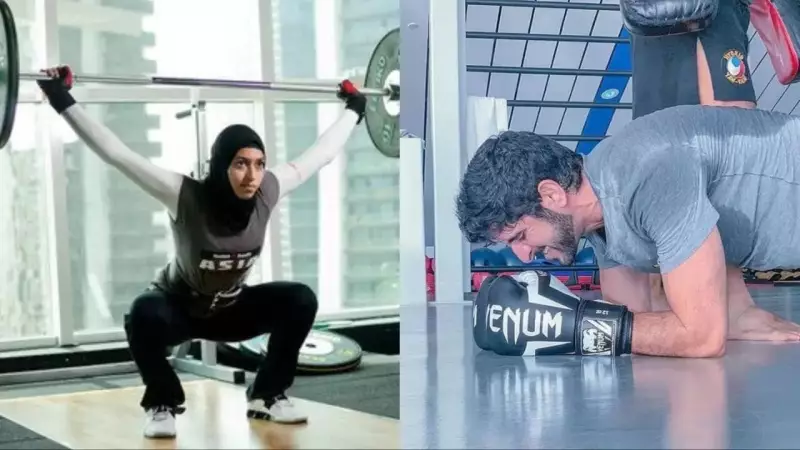
In Dubai, martial artists like Bashayer Al Matrooshi and the UAE national jiu-jitsu team train exclusively after Iftar. Similarly, Olympic medalists like runner Sifan Hassan and rower Mohamed Sbihi schedule key workouts during non-fasting windows. Fighters such as PFL's Khamzat Al Qahtani often train late at night, from 10 PM to 2 AM, to maximize energy availability.
Hydration is a non-negotiable priority. Experts recommend strategic rehydration between Iftar and Suhoor, focusing on sipping water frequently and including electrolytes to replace sweat losses. Sleep disruption is another major challenge, with altered meal times affecting rest patterns. Planned naps and adjusted sleep schedules are essential tools for recovery, especially for athletes training late into the night.
Real-World Protocols from Top Athletes
The strategies of champion athletes provide a practical blueprint:
Training Timing & Intensity: Athletes commonly reduce training volume during fasting hours. Sifan Hassan scales back high-intensity work by 20-50%, focusing on maintenance. Sessions are often split, with skill-based work in the morning and strength or cardio after sunset. The first few days of Ramadan are typically the toughest, requiring a greater emphasis on rest and recovery.
Nutrition Strategies: The pre-dawn Suhoor meal is vital for sustained energy. Mo Farah loads up on oats, cereal, and coffee, complemented by eggs, yogurt, and nuts. At sunset, Iftar begins with dates and milk for quick sugar, followed by high-carbohydrate and protein-rich meals (aiming for a total of 2.2g of protein per kg of body weight). Rehydration is the immediate first step post-fast.
History is filled with examples of success. NBA legend Hakeem Olajuwon and numerous professional footballers have competed at the highest level during Ramadan, often citing enhanced focus and mental resilience.
Practical Tips for Athletes in Ramadan 2026
Based on expert advice and scientific evidence, athletes can navigate Ramadan with minimal performance impact by following these core principles:

- Shift intense training to after sunset or early morning to align with eating and drinking windows.
- Prioritize hydration strategically between Iftar and Suhoor, using electrolytes if needed.
- Plan sleep strategically and use naps to offset disruptions from late training or early meals.
- Adjust training intensity according to daily energy levels, opting for lighter sessions during fasting hours.
The bottom line is that fasting and elite performance can coexist. It is not the fast itself, but the strategic response to it—encompassing smart timing, disciplined nutrition, and intelligent recovery—that determines an athlete's success during the holy month.
Note: The information provided is for educational purposes and is not medical advice. Always consult a qualified healthcare professional before making changes to your diet, supplement, or training regimen.