Boston Red Sox Enter New Era with MLB's Automated Ball-Strike Challenge System
During Grapefruit League action this spring, the Boston Red Sox stepped into a groundbreaking phase of baseball when they received their inaugural in-game exposure to Major League Baseball's Automated Ball-Strike challenge system. This innovative technology, designed to enable players to contest ball-and-strike calls in real time, made an immediate and notable impact during Boston's opener. The event provided a fascinating glimpse into how game strategy and player windup could evolve under this experimental framework.
Willson Contreras Makes Historic First Challenge for Red Sox
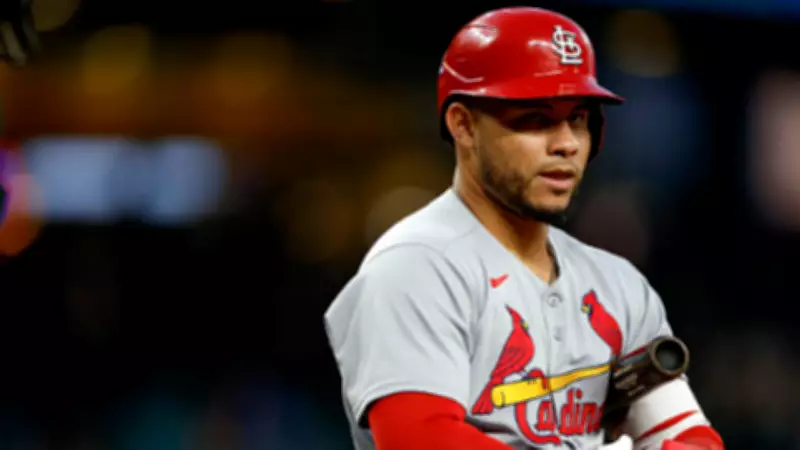
In a moment that quickly became prime discussion material, veteran catcher Willson Contreras challenged a called third strike and emerged victorious. This successful challenge allowed him to salvage what appeared to be the final at-bat of that particular plate appearance. Although the play occurred in the context of spring training, it powerfully underscored the significant potential impact the ABS system could wield once the regular season commences.
Facing the Minnesota Twins, Contreras found himself in a precarious two-strike count when the home plate umpire called a strike on a pitch hovering near the edge of the zone. Immediately following the call, Contreras tapped his helmet, the universal signal for initiating a challenge under the ABS system. Within mere seconds, the stadium screen illuminated with the pitch tracking graphic, clearly indicating that the ball had narrowly missed the strike zone. The call was promptly reversed to a ball, and importantly, the Red Sox retained their challenge because it proved successful. While Contreras did not ultimately capitalize on the extended at-bat, this marked the first instance a Red Sox player utilized the system in a live game, demonstrating the remarkably swift review process with minimal disruption to the game's natural flow.

Manager Alex Cora Emphasizes Spring Training Adaptation
Red Sox manager Alex Cora has emphasized that spring training represents the optimal period for players to acclimate to the mechanics of the new system. Teams are allocated two challenges per game, and successful challenges are preserved, introducing a novel layer of tactical decision-making previously absent from the sport. This element adds strategic depth, as managers and players must judiciously decide when to deploy their limited challenges.
ABS Challenge System Poised to Reshape In-Game Strategy
Unlike a fully automated strike zone, which would entirely remove the human umpire from the equation, the ABS challenge format maintains the umpire's role in making the initial call. Players, including pitchers, batters, and catchers, can independently request an immediate review after a pitch without requiring dugout assistance. This approach preserves the traditional feel of the game while leveraging technological precision to resolve disputes accurately.
Early results from spring training across the league have revealed a high percentage of challenged calls being overturned. This trend suggests that borderline pitches may become even more consequential, especially in tight counts. For hitters, the system acts as a safeguard against erroneous calls during pivotal moments. For pitchers, it provides confirmation that well-executed pitches on the fringe of the zone can be properly recognized and validated.
The introduction of the ABS challenge system marks a significant evolution in baseball, blending time-honored traditions with cutting-edge technology to enhance fairness and strategic complexity in the sport.