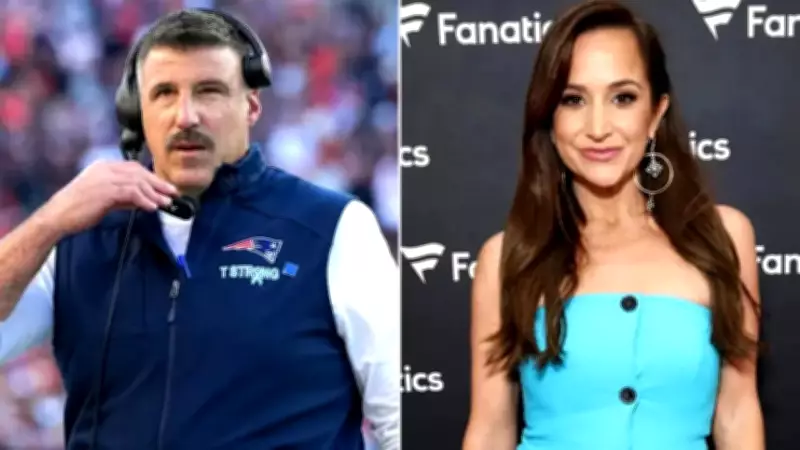
Dianna Russini's Unexpected Departure Ignites Broader NFL Conversation
The sudden resignation of Dianna Russini from The Athletic has triggered a significant discussion that extends far beyond a single incident. Not only did her exit surprise many observers, but the stark contrast between her situation and that of New England Patriots head coach Mike Vrabel has also drawn intense scrutiny. Russini left her position due to overwhelming public attention and speculation, while Vrabel remains steadfastly focused on his team duties and the upcoming NFL draft, highlighting an uneven fallout that raises critical questions within the league.
Why Perception Impacted Russini More Severely Than Vrabel
At the heart of this disparity lies a fundamental difference in professional accountability. Russini's role as a reporter is built on a foundation of credibility and independence. Even the mere suggestion of a close personal connection to a key figure in the NFL can erode trust, regardless of whether any ethical boundaries were actually crossed. This pressure intensifies rapidly in today's fast-paced media environment, where every image and rumor can spread instantaneously, amplifying scrutiny.
In her resignation statement, Russini directly addressed these challenges, criticizing what she termed "self-feeding speculation" and a narrative "unmoored from the facts." Importantly, no evidence has emerged to indicate that her reporting was influenced or compromised in any way. However, journalism operates on the principle of trust; once that trust appears to waver, the consequences can be immediate and severe, as seen in her decision to step down.

Contrasting Professional Standards and Public Expectations
Vrabel's circumstances are viewed through an entirely different lens. As a head coach, his primary responsibilities revolve around team performance and leadership, rather than maintaining public neutrality. Unless there are violations of team rules or league policies, personal associations typically do not carry the same weight in his role. The Patriots organization has shown no signs of concern, signaling stability and continuity rather than initiating any form of investigation or scrutiny.
This contrast has sparked a broader conversation about professional standards in the NFL. Some analysts argue that it highlights a gap in how media figures and coaches are judged, while others question whether women in media face harsher judgment in similar scenarios. The debate underscores the complex interplay between perception, ethics, and accountability in high-profile sports environments.
Broader Implications for Media and Sports Culture
What remains unequivocally clear is that Russini's decision was motivated by a desire to distance herself from the relentless noise and speculation, not an admission of any wrongdoing. Meanwhile, Vrabel continues his work with the Patriots without disruption, maintaining business as usual. While this specific story may eventually fade from headlines, the underlying debate surrounding media ethics, access, and the power of perception is only growing louder and more pertinent.
The incident serves as a poignant reminder of the challenges faced by journalists in maintaining integrity amid public scrutiny, while also highlighting the different standards applied to coaching roles. As the NFL community reflects on these events, it prompts a reevaluation of how trust and credibility are navigated in an era of rapid information dissemination and heightened public interest.