Semzes Dolma Reflects on Leadership and the Rise of Women's Ice Hockey in Ladakh
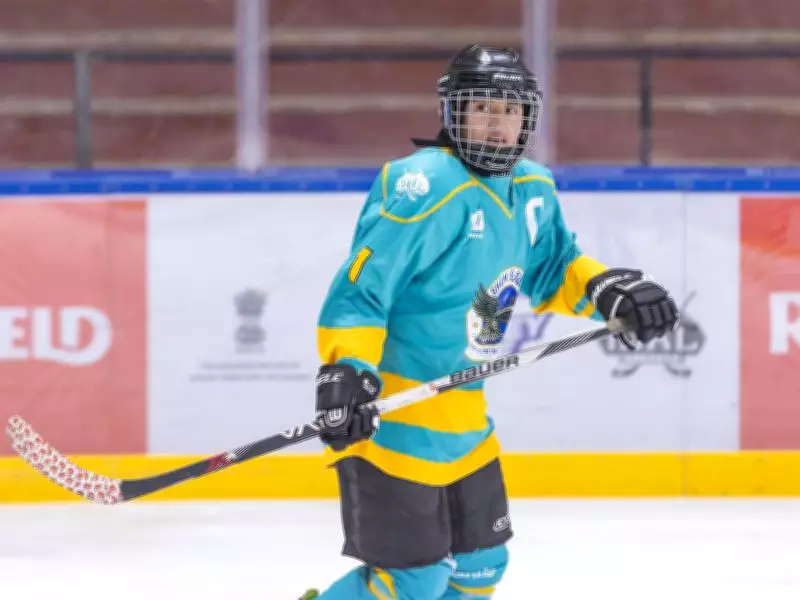
The Ice Hockey League Season 3 concluded with Sham Eagles emerging as the women's champions, marking a significant milestone in the sport's growth in Ladakh. Captain Semzes Dolma, in an exclusive interview, shared insights into her journey, the pressures of leadership, and the burgeoning popularity of women's ice hockey in the region.
Championship Victory and Tournament Overview
Season 3 of the Ice Hockey League, held from January to February this year, spanned multiple regions including Leh, Nubra, Changthang, Sham, Kharu, Drass, Kargil, Shakar Chiktan, and Zanskar. The competition showcased rising standards and increased community engagement, with Humane Warriors winning the men's title and Sham Eagles securing the women's championship. Shakar Chiktan Queens finished as runners-up in the women's category, highlighting the competitive spirit.
Semzes Dolma's Journey and Leadership Evolution
Semzes Dolma began her ice hockey journey as a winter pastime in Ladakh, playing casually with friends and seniors. Over time, her involvement deepened as she participated in more serious tournaments, realizing the responsibility of representing her team. "Leadership did not happen suddenly," she explained. "It came gradually from training consistently, supporting teammates, and learning to stay calm in difficult moments." As captain, her role extended beyond scoring goals to fostering team unity and focus.

Handling Pressure in Key Matches
Reflecting on her performance, Semzes highlighted her hat-trick in the semi-final and a crucial goal in the final. "Knockout games always carry pressure, especially when you are the captain," she said. "But I try not to go into a game thinking that I have to score. My responsibility is bigger than that." She emphasized the importance of team organization, clear communication, and maintaining confidence. Her approach involved focusing on positioning, discipline, and early play reading, attributing success to collective effort rather than individual brilliance.
Impact of Round-Robin Format
This season introduced a round-robin format, which Semzes praised for making the competition more demanding and honest. "Earlier, sometimes one or two games would decide everything," she noted. "But this season, because every team played each other, we had to stay consistent from the first game until the end." This format allowed teams to identify weaknesses early, improve communication, and enhance tactical awareness, benefiting women's teams by providing regular, meaningful competition.
Personal Significance of the Title
Winning the championship held deep personal meaning for Semzes. "Personally, this title feels like the result of steady effort over many months," she shared. "Being captain means you carry the emotions of the team." She reflected on the challenges, including injuries and training in freezing temperatures, and viewed the victory as a step forward for both her team and women's ice hockey in Ladakh. The league's continuity over multiple seasons has built belief among players, making the achievement more satisfying.
Growth of Women's Participation in Ice Hockey
Semzes observed significant changes in women's ice hockey, noting increased commitment from players. "More girls are not just trying the sport; they are staying with it," she said. "They are training regularly, improving fitness, and taking their roles seriously within the team." Community support has also surged, with over 4,000 fans attending the women's final, signaling growing recognition and celebration of the sport. This environment has boosted player confidence and encouraged younger girls to aspire to participate, indicating a promising future for women's ice hockey in Ladakh.