Super Bowl LX Halftime Show Ignites Political Firestorm Against NFL Leadership
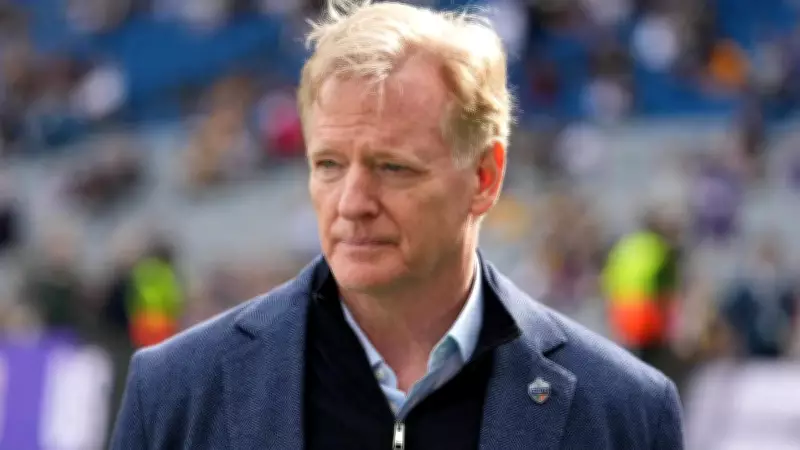
In the aftermath of Super Bowl LX, the National Football League's premier event swiftly transformed into a platform for political discourse, overshadowing the on-field spectacle. NFL Commissioner Roger Goodell found himself at the epicenter of a fierce online backlash, with critics demanding his ouster and accusing him of diverting the league from its traditional roots.
Social Media Erupts Over Cultural Shifts in the NFL
The controversy unfolded primarily on social media platforms, where MAGA-aligned and right-wing commentators expressed outrage. They argued that league leadership has embraced a political agenda, reflecting broader cultural changes that alienate long-time fans. This backlash was not fueled by the game itself, which achieved record-breaking ratings and global viewership, but rather by the halftime performance and its perceived symbolism.
Bad Bunny's Performance Fuels the Debate
Super Bowl LX featured a halftime show by international music sensation Bad Bunny, a decision that had already stirred controversy in the weeks leading up to the event. Critics highlighted the artist's vocal political stances, including his criticism of former President Donald Trump, remarks on immigration enforcement, and his choice to perform entirely in Spanish. These concerns resurfaced immediately after the broadcast, shifting the online conversation from the performer to the NFL's executive decisions.

Many social media posts accused Goodell of enabling the NFL to become "woke," a term often used by conservative voices to critique efforts toward cultural inclusion. Some fans contended that entertainment elements at the Super Bowl now dominate over football, creating a rift with viewers who feel disconnected from the league's evolving direction.
Defenders Highlight Diversity and Adaptation
Supporters of the halftime show countered that it demonstrated the NFL's capacity to engage diverse audiences and adapt to a changing fan demographic, rather than pushing a political agenda. They emphasized the league's role in reflecting contemporary cultural trends and expanding its global appeal.
Amplified Criticism Amid Historic Engagement
While Commissioner Goodell has faced similar criticism in the past, the immense scale of the Super Bowl magnified the response. The NFL had not issued a public statement at the time of reporting, with Newsweek noting that the league was contacted for comment outside regular business hours. Despite the political uproar, Super Bowl LX delivered unprecedented engagement levels, underscoring the NFL's enduring reach even amidst growing cultural debates.
The incident highlights the ongoing tension between sports entertainment and political polarization, positioning Goodell as a key figure in discussions about the future of professional football in America.