UFC President Responds to Fighter Demands with Increased Bonuses for Historic Event
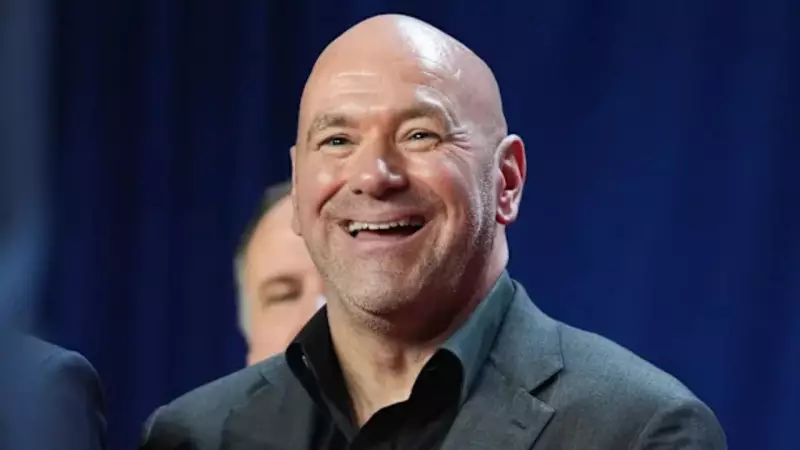
In a significant development during fight week, UFC president Dana White has agreed to modify compensation structures for the organization's first major event of the year following passionate appeals from multiple fighters. The highly anticipated UFC 324 card is scheduled for Saturday night at the renowned T-Mobile Arena in Las Vegas, marking a pivotal moment for the promotion.
Historic Broadcast Deal Sparks Compensation Questions
This event represents the UFC's inaugural showcase since securing a monumental $7.7 billion broadcast partnership with Paramount+, raising immediate questions about how this financial windfall would translate to athlete compensation. The fight card features numerous elite competitors and championship implications, with Paddy Pimblett facing Justin Gaethje for the interim lightweight title in the main event. A victory could potentially position the winner for a future showdown with undisputed champion Ilia Topuria.
However, discussions have increasingly shifted from fight predictions to economic fairness, with fighters openly questioning why the organization's record-breaking media rights agreement hasn't resulted in improved athlete pay structures.

Fighters Voice Economic Concerns Publicly
During the final pre-event press conference, Justin Gaethje offered pointed criticism about compensation disparities, noting that despite competing for a championship belt, he wouldn't receive additional financial rewards. The veteran fighter highlighted that throughout his distinguished career, despite consistently earning performance bonuses, he has never accumulated $1 million total from these supplemental payments.
When White was directly questioned about potentially increasing bonuses for this particular event, his initial response indicated he hadn't prepared specific figures, creating an opening for other athletes to voice their perspectives.
Specific Bonus Proposals Emerge
Heavyweight contender Derrick Lewis, featured on the main card, proposed elevating performance bonuses from the standard $50,000 to $324,000. Lewis creatively argued this amount would symbolically commemorate UFC 324 as the promotion's 324th numbered event, creating a memorable numerical connection.
Jean Silva, who opens the main card against England's Arnold Allen, presented a more direct appeal to White. Silva suggested that enhanced financial incentives would motivate both fighters to deliver an extraordinary performance that fans would remember for years. He emphasized that improved compensation would bring out the absolute best competitive spirit from both athletes.
White Accepts Proposal Amid Online Discussion
White immediately embraced Silva's suggestion, confirming that performance bonuses would indeed be increased for UFC 324. This decision could potentially result in the most substantial supplemental payouts of many fighters' careers, creating additional excitement around the event's competitive dynamics.
Silva's comments subsequently generated considerable online debate, with some observers questioning his phrasing while others focused on the broader issue of fighters needing to publicly advocate for equitable compensation. Silva later clarified his perspective by revealing his recent autism diagnosis and suggesting Allen might also be on the spectrum.
Unique Narrative Develops Around Main Card Opener
Allen responded to Silva's comments by acknowledging he hasn't been formally tested but agrees he might be autistic. The English fighter embraced this narrative framework, describing their upcoming bout as representing different expressions within the spectrum. Allen characterized Silva as outwardly expressive while describing himself as more reserved, suggesting their clash would resemble two superheroes with contrasting approaches colliding in the octagon.
With confirmed bonus increases adding financial stakes to competitive glory, UFC 324 now carries intensified significance both inside and outside the cage, blending athletic competition with important conversations about fighter compensation in the modern MMA landscape.