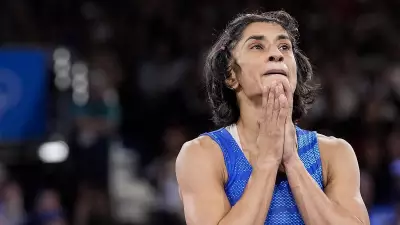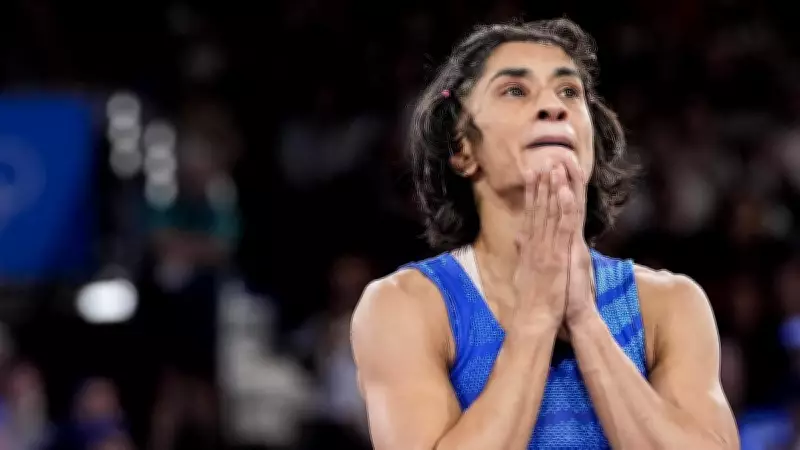
The Wrestling Federation of India's recent move against wrestler Vinesh Phogat has sparked controversy, with critics arguing that the procedure lacks fairness and appears to have a non-sporting context. The federation's actions cannot be simply explained away by citing rules, as the underlying motives seem to extend beyond sporting discipline.
Background of the Dispute
Vinesh Phogat, one of India's most accomplished female wrestlers, has been at the center of a growing rift with the WFI. The federation's decision to take disciplinary action against her has raised eyebrows, particularly given the timing and the manner in which it was carried out. Many observers believe that the move is less about enforcing rules and more about exerting control or settling scores.
Allegations of Bias
The procedure adopted by the WFI has been criticized for lacking transparency and due process. Phogat's supporters claim that she was not given a fair hearing and that the federation's actions are driven by personal vendettas rather than a genuine concern for the sport. The lack of clear evidence and the sudden escalation of the dispute have fueled suspicions of bias.

Impact on Indian Wrestling
This controversy comes at a time when Indian wrestling is already grappling with internal conflicts and governance issues. The WFI's handling of the Phogat case could further damage the sport's reputation and demoralize athletes. Wrestlers have expressed concerns about the federation's arbitrary use of power, which could deter young talent from pursuing the sport.
Calls for Reform
Many in the sporting community are calling for a thorough review of the WFI's procedures and a more transparent disciplinary process. The incident highlights the need for independent oversight in sports administration to ensure that athletes are treated fairly. Until such reforms are implemented, the shadow of doubt will continue to hang over the federation's actions.
As the saga unfolds, Vinesh Phogat remains defiant, asserting her innocence and vowing to fight for justice. The outcome of this dispute could set a precedent for how similar cases are handled in Indian sports in the future.