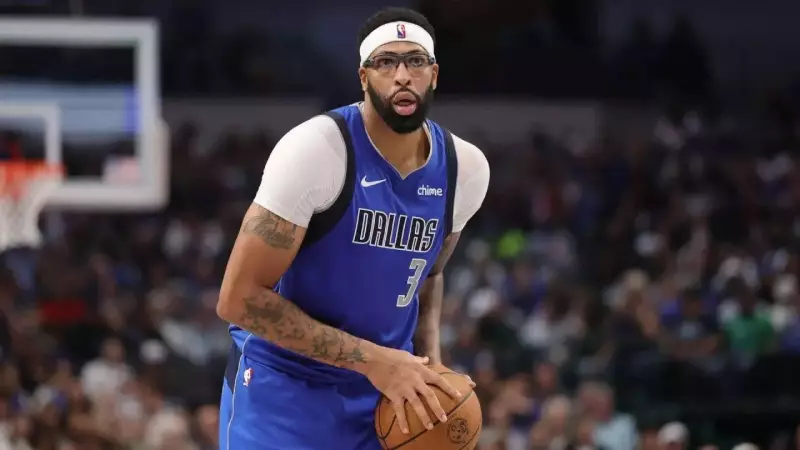
The future of Dallas Mavericks superstar Anthony Davis is the subject of intense speculation across the NBA, with several teams, including the Golden State Warriors, competing for his services. Trade negotiations are heating up, but their success hinges on a delicate balance of assets and meeting each team's strategic needs, all while Davis' recent injury adds a layer of uncertainty.
Warriors Rekindle Interest in Davis, But Face Major Hurdles
According to a recent report by NBA insider Chris Haynes of NBA on Prime Video, the Golden State Warriors have re-examined their interest in acquiring the dominant big man. While the Warriors have long admired Davis, constructing a deal that makes both financial and competitive sense has proven difficult historically. Haynes revealed that the Mavericks are not "that fascinated" with the trade assets currently available on the Warriors' books. This significant roadblock suggests that for any deal to materialize, Golden State would likely need to acquire additional draft picks or involve a third team to facilitate the transaction.
The potential framework of a trade is complex. While young forward Jonathan Kuminga is reportedly included in discussions, some reports indicate the Warriors' front office might also need to be willing to part with veteran leader Draymond Green to get a deal done. This presents a major strategic dilemma for the Warriors, weighing the acquisition of a top-tier talent against disrupting their core chemistry.

Injury Concerns and Contract Stakes Cloud Trade Landscape
Adding to the complexity is Anthony Davis' current health status. The star center is currently sidelined with a groin strain, an injury that inevitably raises questions about his durability and long-term fitness as trade talks progress. Despite the injury history, Davis remains a formidable force when on the court. Before this latest setback, he was in stellar form, scoring 31 and 35 points in games leading up to Christmas Day against the Warriors. He also secured 14 or more rebounds in three of his previous four outings.
His performance last season underscores his value: averaging 24.7 points, 11.6 rebounds, 3.5 assists, and 2.2 blocks while shooting 51.6% from the field. Furthermore, regardless of which jersey he wears next, Davis is anticipated to pursue a lucrative long-term contract when he becomes eligible in August of next year, making any trade a major financial commitment.
Multi-Team Interest and the Need for a Third Party
The Warriors are not alone in their pursuit. Teams like the Atlanta Hawks and Toronto Raptors have also shown interest. Atlanta's situation is particularly notable, as they might be motivated to make roster changes amid a challenging five-game losing streak. However, the Mavericks' wariness of the Warriors' assets makes a direct deal unlikely.
As Haynes pointed out, the involvement of a third team appears crucial to bridge the asset gap. Without a third party to provide the draft capital or players that Dallas desires, finding a workable deal for Davis will be exceedingly difficult. This multi-team dynamic, combined with Davis' injury and upcoming contract, creates one of the most intricate and high-stakes trade scenarios of the current NBA season.