Warriors and Timberwolves Clash in Critical Back-to-Back Finale
The Golden State Warriors and Minnesota Timberwolves are set to meet once again on January 26, 2026, at the Target Center in Minnesota. This matchup concludes a challenging back-to-back series for both teams, coming just one night after their previous encounter. While the first game proved to be decidedly one-sided, this second contest introduces complex variables that could dramatically alter the outcome.
Health and Depth: The Deciding Factors
This game fundamentally hinges on three critical elements: player health, roster depth, and each team's ability to manage short rest during the intense playoff race. The Warriors are currently battling to maintain their position with a significantly depleted rotation. In contrast, the Timberwolves enter this game in better health and enjoy the advantage of playing on their home court. Minnesota is determined to avoid a series split and continue their push for a favorable seed in the competitive Western Conference.
The context is straightforward yet compelling. The Timberwolves possess greater available personnel, while the Warriors counter with a wealth of championship experience and veteran savvy. This creates a fascinating tactical battle between youthful depth and seasoned execution.

Golden State Warriors Injury Report: A Lengthy List
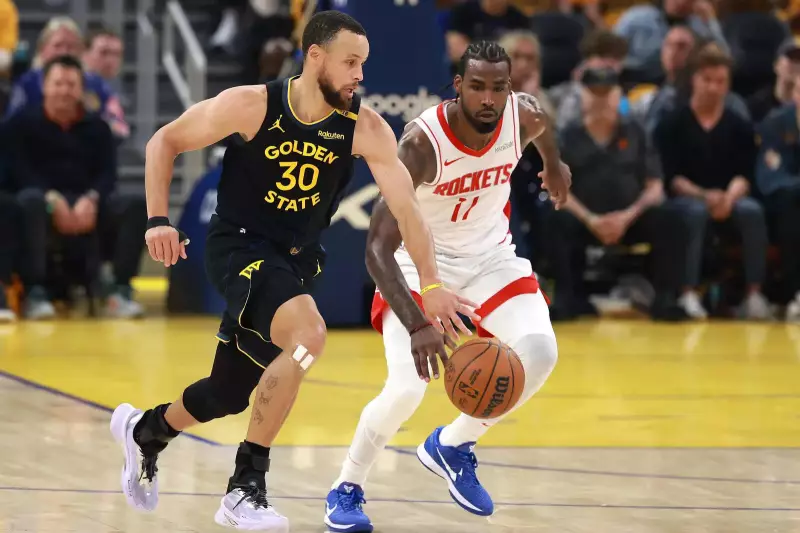
The Warriors' injury situation presents a major challenge for head coach Steve Kerr. Stephen Curry is officially listed as questionable due to right knee soreness, a condition exacerbated by playing heavy minutes in the previous night's contest. His availability will single-handedly shape Golden State's offensive game plan and overall strategy.
Draymond Green also carries a questionable designation with back soreness. Should he be unable to play, the Warriors would lose their primary defensive communicator and a crucial secondary playmaker, creating a significant void in their lineup.
The list of confirmed absences is extensive:
- Jonathan Kuminga remains out indefinitely with a left knee bone bruise, with no clear timeline for his return.
- Jimmy Butler III is out for the entire season after suffering a torn right ACL.
- Seth Curry is sidelined with persistent back and sciatic nerve issues.
- Al Horford is unavailable due to a toe injury.
- De’Anthony Melton continues to be out under a season-long management plan for a knee condition.
Minnesota Timberwolves Injury Report: Fewer Concerns
Minnesota approaches this game with far fewer injury headaches. The only significant absences are Terrence Shannon Jr., who is out with a left foot abductor hallucis strain, and Leonard Miller, who is questionable due to lower back spasms.
Importantly, the Timberwolves' core rotation remains fully intact and ready for action. This group is led by superstar Anthony Edwards, defensive anchor Rudy Gobert, veteran point guard Mike Conley, versatile forward Jaden McDaniels, and Sixth Man of the Year candidate Naz Reid.
Recent Meetings and Historical Context
In their most recent meeting on January 25, the Golden State Warriors secured a convincing 111-85 victory. Notably, Stephen Curry delivered a strong performance despite being listed as questionable before that game. Earlier in the 2025-26 season, the Timberwolves controlled the paint effectively and earned a comfortable win.
Examining the last ten regular-season meetings between these franchises reveals a slight historical edge for the Timberwolves. However, the Warriors have demonstrated a knack for winning several close, hard-fought games in the final moments, showcasing their clutch pedigree.
2025-26 Season Team Comparison
A statistical breakdown highlights the strengths and weaknesses of both teams through approximately 45 games played:

- Record: Timberwolves (27-18) hold the edge over Warriors (25-21).
- Points Per Game: Minnesota averages 120.0 PPG, slightly higher than Golden State's 116.8 PPG.
- Opponent Points Per Game: Warriors allow 114.2 PPG, giving them a narrow defensive edge over the Wolves' 115.1 PPG.
- Field Goal Percentage: Golden State shoots 46.3%, while Minnesota connects at a higher 48.4% clip.
- Three-Point Percentage: Timberwolves hold a slight advantage at 37.2% compared to the Warriors' 36.7%.
- Rebounds Per Game: Minnesota dominates the glass, averaging 44.7 rebounds to Golden State's 42.8.
- Assists Per Game: The Warriors' ball movement is superior, averaging 28.8 assists versus the Wolves' 26.8.
- Turnovers Per Game: Golden State is more careful with the ball, committing only 12.7 turnovers per game compared to Minnesota's 13.5.
What Will Decide the Game?
If Stephen Curry is cleared to play, the Timberwolves' defensive focus will be laser-targeted on limiting his open three-point opportunities and forcing other Warriors players to become primary scorers. In the interior, Rudy Gobert possesses a clear physical advantage against a short-handed Golden State frontcourt, which could lead to significant paint scoring and rebounding opportunities.
Bench depth strongly favors the Timberwolves, an advantage that becomes magnified on the second night of a back-to-back schedule where fatigue is a major factor. On paper, Minnesota holds the edge due to superior overall health and the benefit of home-court advantage.
For the Warriors to remain competitive, they must excel in two key areas: controlling turnovers to limit Minnesota's transition opportunities and generating efficient shooting from their available personnel. Ultimately, the final result will likely be determined by Stephen Curry's game-time status and how effectively the Warriors can compensate for their missing frontcourt options in defending the paint and securing rebounds.