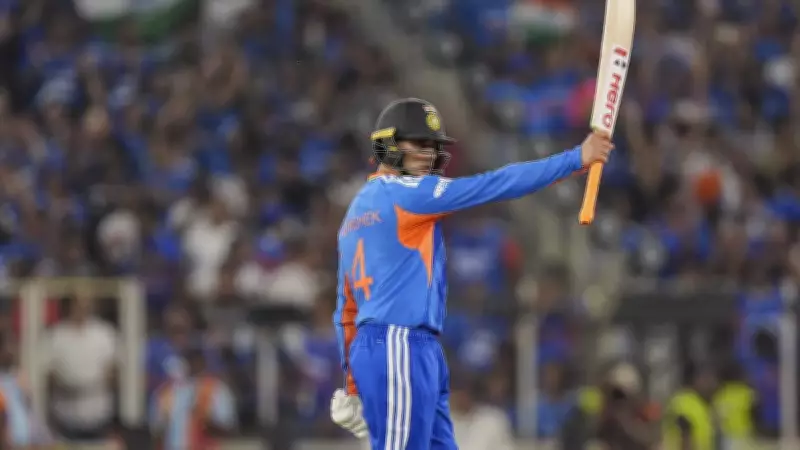
Abhishek Sharma Reflects on T20 World Cup Struggles and Mental Reset
Indian cricketer Abhishek Sharma has candidly shared his experiences of facing significant challenges during the T20 World Cup 2026, emphasizing the importance of a mental reset to navigate performance struggles. In a recent interview, Sharma opened up about the emotional and psychological hurdles he encountered while representing India on the global stage, shedding light on the often-overlooked aspects of professional sports.
The On-Field Struggles and Pressure
During the T20 World Cup 2026, Abhishek Sharma faced a series of on-field difficulties that impacted his performance. He described moments where his batting form dipped, and he struggled to contribute effectively to the team's efforts. Sharma highlighted the immense pressure that comes with playing in a high-stakes tournament like the World Cup, where every match is scrutinized by fans and critics alike.
Key Challenges Faced:- Inconsistent batting performances leading to reduced confidence.
- Difficulty in adapting to varying pitch conditions and opposition strategies.
- Heightened expectations from supporters and media adding to mental strain.
The Mental Reset Process
To overcome these struggles, Abhishek Sharma embarked on a comprehensive mental reset journey. He emphasized the role of introspection and seeking support from coaches, teammates, and mental health professionals. Sharma revealed that he focused on rebuilding his mindset through techniques such as mindfulness, visualization, and positive self-talk.

He also stressed the importance of maintaining a balanced perspective, separating his self-worth from his on-field performance, and learning from setbacks rather than being overwhelmed by them.
Strategies for Future Improvement
Looking ahead, Abhishek Sharma outlined specific strategies he plans to implement to enhance his game and mental resilience. These include:
- Regular mental conditioning sessions to build emotional strength and coping mechanisms.
- Technical adjustments in batting to address weaknesses identified during the World Cup.
- Increased focus on fitness and recovery to sustain peak performance levels.
- Collaboration with sports psychologists to develop personalized mental health plans.
Sharma expressed optimism about his future in cricket, noting that the lessons learned from the T20 World Cup 2026 have made him a more resilient and self-aware athlete. He aims to use this experience as a foundation for growth, both on and off the field.
Impact on Indian Cricket and Broader Implications
Abhishek Sharma's openness about his struggles and mental reset journey has sparked conversations within the cricketing community about the importance of mental health in sports. His story serves as a reminder that even elite athletes face psychological challenges and that addressing them is key to long-term success.
By sharing his experiences, Sharma hopes to inspire other players to prioritize their mental well-being and seek help when needed. This aligns with a growing trend in sports where mental health is increasingly recognized as a critical component of athletic performance and overall health.
As Indian cricket continues to evolve, stories like Sharma's highlight the need for comprehensive support systems that address both physical and mental aspects of the game, ensuring players can thrive under pressure and contribute effectively to the team's success.