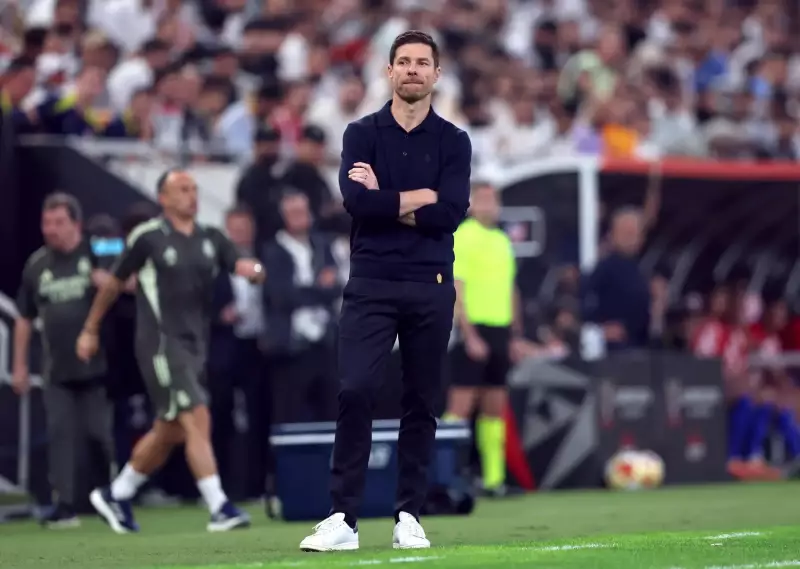
When Xabi Alonso took charge of Real Madrid in May last year, his coronation seemed complete. The former midfield maestro returned to his old club with a reputation as one of football's brightest coaching talents. Yet his friend and former Liverpool teammate Luis Garcia offered a warning that now sounds prophetic.
A Prophetic Warning
Speaking on a podcast at the time, Garcia expressed doubts about Alonso's prospects. He highlighted a fundamental problem that would haunt the new manager throughout his tenure. "Xabi is a great coach but he needs players for his system that the Real Madrid board might not agree to give him," Garcia said. "It's going to be difficult for him."
Those words proved painfully accurate as Alonso's vision clashed with Real Madrid's reality from the very beginning.

Transfer Troubles Begin
Alonso, a superb holding midfielder during his playing days, wanted specific profiles to implement his system. His first target was Martin Zubimendi, a Spanish midfielder he had nurtured during his coaching days at Real Sociedad B. With Toni Kroos and Luka Modric departing, Real desperately needed midfield control.
Yet the board refused to sanction the transfer. Zubimendi moved to Arsenal instead, where he has become part of what many consider Europe's best team at the moment. This early rejection set the tone for Alonso's struggles at the Bernabeu.
Midfield Problems Persist
Over the next seven months, the midfield remained a constant concern for Alonso. Despite this, results weren't disastrous initially. Real Madrid have certainly experienced much worse periods in their storied history.
Halfway through the season, they found themselves just four points off the top in La Liga. They also looked poised to reach the Champions League top eight, an improvement over their performance under previous manager Carlo Ancelotti.
Aside from a heavy 5-2 defeat to Atletico Madrid in the league, most losses were narrow affairs. One-goal defeats against Manchester City, Liverpool and Barcelona seemed acceptable. Alonso even managed to win his first El Clasico, suggesting his project might succeed.
The Dressing Room Revolt
The cracks began showing during the Super Cup final against Barcelona. Real Madrid competed until the final minute, but what happened after the match revealed deeper problems.
As the respected 44-year-old manager urged his players to give Barcelona the traditional guard of honor, Kylian Mbappe told his teammates to refuse. The players ignored their coach and followed their star teammate instead.
This wasn't the first public challenge to Alonso's authority. During the Liga Clasico, when Alonso substituted Vinicius Junior with ten minutes remaining at the Bernabeu, the Brazilian stormed off directly to the dressing room without acknowledging his manager.
Though Vinicius later apologized on social media, he made no mention of Alonso. Spanish football observers noted that the Real Madrid board didn't pressure Vinicius to offer a more humble apology, suggesting the tide was turning against their manager.
Philosophical Differences
Alonso, the son of a football coach and greatly influenced by Pep Guardiola, believes attackers must press and contribute defensively. This philosophy clashed with the preferences of players like Vinicius, who resisted such demands.
The Spanish tactician had transformed Bayer Leverkusen from relegation strugglers to Bundesliga champions in 2024. Yet at Real Madrid, he constantly battled against star players who called the shots.
Midfield stalwarts Federico Valverde and Jude Bellingham reportedly didn't support him either. Alonso increasingly appeared isolated in the dugout, a sharp contrast to the feisty, respected coach he had been at Leverkusen.
Results Turn Against Him
While scrutiny became constant in Madrid, Alonso managed it while results remained positive. Real Madrid won thirteen of their first fourteen matches across all competitions.
Then November injuries struck, followed by an inevitable slump. Madrid lost nine points in five games, surrendering their Liga lead to Barcelona. At that point, all hell broke loose.
The Real Madrid Problem
Just after Alonso took over, when Real lost the Club World Cup semifinal 4-0 to PSG in July, victorious manager Luis Enrique offered sympathy for his counterpart.

"Xabi is planning a project and it will take time," Enrique said. "It can't happen overnight." The biggest problem at Real Madrid is precisely that there is no time.
This explains why successful coaches at the fifteen-time Champions League winners tend to be managers of egos rather than men of ideas. Their three most successful managers since 2000 - Vicente Del Bosque, Zinedine Zidane and Carlo Ancelotti - didn't revolutionize football tactics, but they managed superstars effectively.
What Comes Next
Alvaro Arbeloa now takes charge as Real Madrid's new manager. A close friend of Alonso's during their playing days, both joined Los Blancos from Liverpool in 2009. Yet they possess different personalities.
While Alonso's feistiness appeared mostly on the field, Arbeloa exudes the swaggering confidence that fits Real Madrid's ethos. The successful former full-back has coached Real's junior teams since 2020, winning a domestic treble with the U19 team in 2022.
Coaching Mbappe and company presents a different challenge entirely. Arbeloa, a favorite of Jose Mourinho during his Real Madrid days, understands this reality. Immediate success seems unlikely, but if he can keep the team competitive until season's end, he might earn more time.
Otherwise, whispers about Jurgen Klopp could grow louder in the corridors of the Santiago Bernabeu. The managerial merry-go-round at Real Madrid continues, with player power once again proving decisive.