Anurag Thakur Cleared to Return to BCCI After Supreme Court Lifts Ban
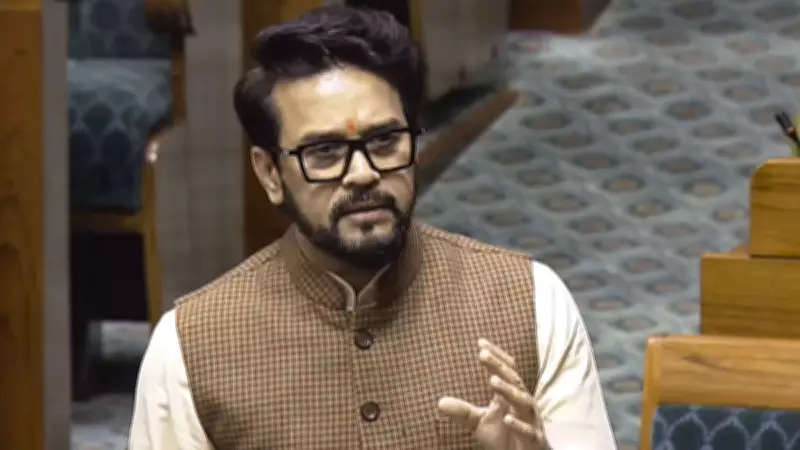
In a landmark decision that has sent ripples through the corridors of Indian cricket administration, the Supreme Court has officially lifted the ban on former Board of Control for Cricket in India (BCCI) president Anurag Thakur. This ruling, delivered on February 5, 2026, paves the way for Thakur's potential return to the cricket board, marking a pivotal moment in his career and the governance of the sport in India.
Background of the Legal Battle
The ban on Anurag Thakur was initially imposed by the Supreme Court as part of a broader effort to enforce reforms within the BCCI, aimed at enhancing transparency and accountability in cricket administration. Thakur, who served as the BCCI president from 2015 to 2017, faced allegations related to non-compliance with the court's directives, particularly concerning the implementation of the Lodha Committee recommendations. These recommendations were designed to overhaul the BCCI's structure, including age and tenure limits for office-bearers, among other measures.
Over the years, the legal proceedings have been closely watched by cricket enthusiasts and stakeholders, as they highlighted the ongoing tensions between the judiciary and sports bodies in India. Thakur's case became emblematic of the challenges in aligning traditional cricket administration with modern governance standards.

Details of the Supreme Court's Decision
The Supreme Court's decision to lift the ban on Anurag Thakur was based on a review of his compliance with the court's earlier orders. According to sources, the court found that Thakur had taken significant steps to address the concerns raised, including adhering to the reforms mandated by the Lodha Committee. The ruling emphasizes that the ban was lifted to allow for a fresh start, acknowledging Thakur's contributions to Indian cricket during his tenure.
This development is expected to have immediate implications for the BCCI's leadership dynamics. With the ban removed, Thakur is now eligible to participate in BCCI elections and potentially resume a role within the board, subject to the organization's internal rules and procedures. The decision also signals a shift in the court's approach, possibly indicating a move towards reconciliation and forward-looking governance in cricket.
Reactions and Implications for Indian Cricket
The lifting of the ban has elicited mixed reactions from various quarters of the cricket community. Supporters of Anurag Thakur have welcomed the decision, viewing it as a vindication of his efforts and a step towards stabilizing cricket administration. They argue that his experience and leadership could benefit the BCCI, especially as it navigates challenges such as organizing major tournaments and managing player welfare.
On the other hand, critics have expressed concerns about the potential for a return to old practices, urging the BCCI to ensure that the reforms are not diluted. They emphasize the need for continued vigilance to maintain the integrity and transparency of cricket governance in India.
From a broader perspective, this ruling could influence future interactions between sports bodies and the judiciary in India. It sets a precedent for how bans and sanctions might be reviewed and lifted, potentially encouraging other administrators to seek similar relief if they demonstrate compliance with legal mandates.
Looking Ahead: What's Next for Anurag Thakur and BCCI?
With the ban lifted, all eyes are now on Anurag Thakur's next moves. He is likely to engage with BCCI stakeholders to explore opportunities for his return, possibly aiming for a leadership position in upcoming elections. His experience in cricket administration, coupled with his political background as a former Member of Parliament, could make him a formidable candidate.
For the BCCI, this development adds a new layer to its ongoing efforts to balance tradition with reform. The board must navigate this transition carefully, ensuring that it upholds the principles of good governance while leveraging Thakur's expertise. Key areas to watch include:

- Election Dynamics: How Thakur's eligibility will impact the BCCI's internal elections and power structures.
- Governance Reforms: Whether his return will accelerate or hinder the implementation of remaining Lodha Committee recommendations.
- Stakeholder Confidence: The effect on sponsors, players, and fans regarding the board's commitment to transparency.
In conclusion, the Supreme Court's decision to lift the ban on Anurag Thakur marks a significant chapter in Indian cricket's administrative saga. It underscores the evolving nature of sports governance in the country and sets the stage for potential changes in the BCCI's leadership landscape. As the cricket world watches closely, the focus will be on how Thakur and the board move forward to shape the future of the sport in India.