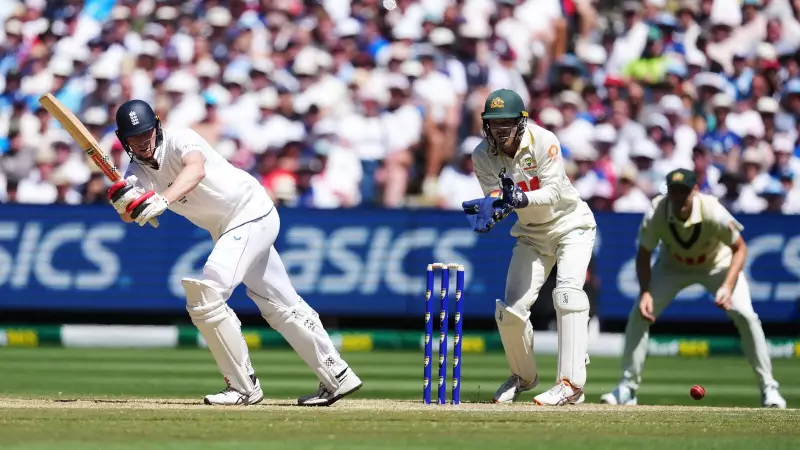
In a remarkable repeat of recent history, the fourth Ashes Test between Australia and England at the Melbourne Cricket Ground (MCG) hurtled to a conclusion within just two days of play. This marks the second instance in the ongoing 2025-26 Ashes series where a match has failed to reach a third day, propelling the storied rivalry into the record books once more.
A Familiar Script in a Historic Rivalry
The swift finish in Melbourne on December 27, 2025, echoes the events of the first Test of this series in Perth. At the Optus Stadium earlier this year, Australia secured an eight-wicket victory after England posted scores of 172 and 164, with Australia making 132 in their first innings. That Perth match was notable for being the first Ashes Test to end inside two days in over a century, a feat now matched within the same series.
The MCG match, with its result still to be officially confirmed at the time of reporting, joins an exclusive and archaic club. Before 2025, the last time an Ashes Test was wrapped up so quickly was way back in 1921 at Trent Bridge, where Australia triumphed by 10 wickets.

The Exclusive List of Two-Day Ashes Finishes
The history of the Ashes reveals that such rapid conclusions were more common in the sport's early days. With the addition of the 2025 matches in Perth and Melbourne, there have now been seven instances where an Ashes Test has ended within the first two days.
The complete list is a journey through cricket's past:
- 1888, Lord's, London: Australia won by 61 runs.
- 1888, The Oval, London: England won by an innings and 137 runs.
- 1888, Old Trafford, Manchester: England won by an innings and 21 runs.
- 1890, The Oval, London: England won by 2 wickets.
- 1921, Trent Bridge, Nottingham: Australia won by 10 wickets.
- 2025, Optus Stadium, Perth: Australia won by 8 wickets.
- 2025, MCG, Melbourne: Result to be determined (TBD).
This concentration of finishes in the late 19th century highlights how pitch conditions, batting techniques, and perhaps even the spirit of the game have evolved, making modern occurrences like those in 2025 particularly startling.
What This Means for Modern Test Cricket
The back-to-back two-day finishes in a single Ashes series are sure to ignite intense debate about the state of Test cricket pitches and the balance between bat and ball. While fans were treated to a whirlwind century from Travis Head in Perth, the overall brevity of the contests raises questions about the durability of modern batting line-ups and the preparation of sporting wickets.
For England and Australia, it underscores the unpredictable and often brutal nature of the Ashes contest, where momentum can swing violently and matches can be decided in a handful of sessions. The fact that this has now happened twice in quick succession transforms it from a curious anomaly into a significant trend within this specific series.
As the cricketing world digests this latest rapid result at the MCG, the focus will not only be on the winner and loser but also on the implications for the future of five-day Test matches. The 2025-26 Ashes will be remembered not just for its winner, but for making history with its extraordinary pace.