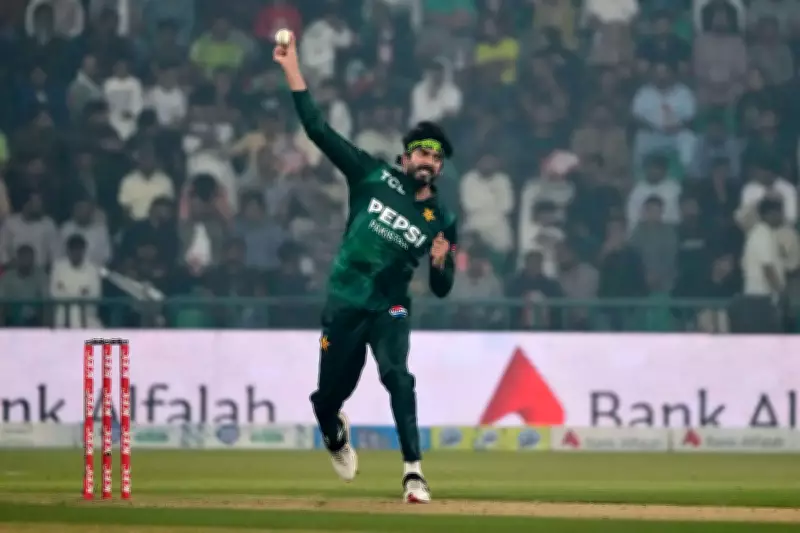
Ashwin Comes to Defense of Pakistan Spinner Amid Bowling Action Storm
Pakistan's spin bowler Usman Tariq has once again ignited a fiery debate surrounding his unconventional bowling technique following his pivotal performance in the 2026 T20 World Cup. The controversy erupted after Tariq's three-wicket haul secured Pakistan's 32-run victory against the United States in Colombo, propelling his team to the summit of Group A standings.
The Pause That Sparked Global Debate
Tariq's distinctive "pause-and-deliver" action, characterized by a noticeable hesitation during his delivery stride, has drawn fresh accusations of "chucking" across social media platforms. This scrutiny persists despite the International Cricket Council having officially cleared his bowling action on two separate occasions last year following thorough biomechanical assessments.
The criticism intensified significantly as former Indian cricketer Shreevats Goswami drew a compelling parallel with football regulations. "Even football doesn't allow players to pause during a penalty run-up anymore. How is this acceptable?" Goswami questioned publicly. "The action itself might be technically legal, but that deliberate pause during the loading phase raises serious questions about fairness and consistency in application of rules."

Ashwin's Unexpected Defense and Broader Critique
In a surprising turn, veteran Indian off-spinner Ravichandran Ashwin entered the fray with a nuanced defense of bowlers facing such scrutiny. While acknowledging the validity of the football comparison, Ashwin redirected the conversation toward what he perceives as cricket's disproportionate restrictions on bowling innovations.
"I agree football doesn't permit such pauses," Ashwin stated on social media. "However, we must examine the broader context. Batters can freely execute switch-hits or reverse sweeps without informing umpires or bowlers, even after committing to a particular batting stance. Why then are bowlers subjected to such stringent limitations?"
The seasoned spinner highlighted a specific regulation that particularly troubles him: "The bowler isn't permitted to change their bowling arm without formally notifying the umpire. This rule exemplifies the imbalance in how different aspects of the game are regulated. Perhaps we should reconsider such restrictions before scrutinizing individual techniques."
The Technical Parameters and Historical Context
Under current ICC regulations, bowlers must maintain their elbow extension within 15 degrees between the point when their arm reaches horizontal position and the moment of ball release. This specific measurement has become the focal point of online discussions regarding Tariq's action, with critics analyzing slow-motion footage frame by frame.
Tariq has previously addressed the persistent scrutiny surrounding his bowling, maintaining that any flexion in his arm occurs naturally within acceptable parameters. "My action has been thoroughly examined and cleared by the sport's governing body," the spinner emphasized in earlier statements. "The pause is simply part of my rhythm and delivery mechanism, developed over years of practice."
The controversy highlights cricket's ongoing struggle to balance technological enforcement of bowling regulations with preserving individual bowling styles and innovations. As the T20 World Cup progresses, this debate promises to continue influencing discussions about fairness, consistency, and the evolution of bowling techniques in modern cricket.