Ashwin Sheds Light on Varun Chakaravarthy's Mental Battle in Cricket
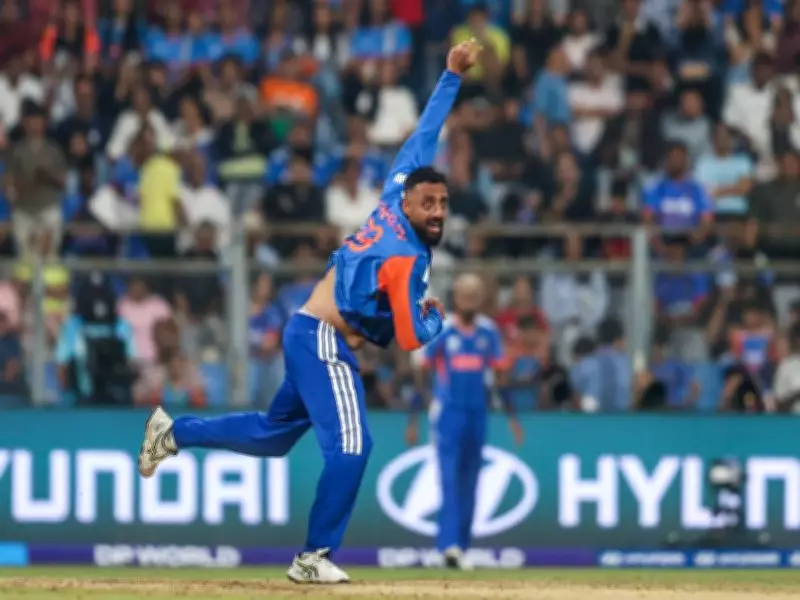
In a candid revelation, veteran Indian spinner Ravichandran Ashwin has opened up about the psychological challenges faced by his teammate, mystery spinner Varun Chakaravarthy. Ashwin observed that Chakaravarthy's confidence tends to diminish significantly when he comes under attack from aggressive batters during matches.
The Pressure Point in Spin Bowling
Ashwin's comments highlight a critical aspect of modern cricket, where mental fortitude is as crucial as technical skill. He explained that when batters target Chakaravarthy's bowling, it often leads to a visible drop in his self-assurance on the field. This insight comes from Ashwin's extensive experience and close observation of fellow bowlers in high-pressure situations.
The dynamics of spin bowling in limited-overs cricket have evolved, with batters increasingly looking to dominate from the outset. Ashwin noted that this aggressive approach can unsettle bowlers, particularly those like Chakaravarthy who rely on variations and mystery. The pressure to contain runs while taking wickets can exacerbate confidence issues, affecting performance consistency.

Varun Chakaravarthy's Journey and Challenges
Varun Chakaravarthy, known for his unorthodox spin and ability to deceive batters, has been a key player for India in T20 formats. However, Ashwin's analysis points to a vulnerability that many bowlers face but seldom discuss openly. Chakaravarthy's rise in cricket has been marked by his unique style, but maintaining confidence under fire remains a work in progress.
Ashwin emphasized that building mental resilience is essential for bowlers in today's game, where every delivery is scrutinized. He suggested that experience and support from the team can help Chakaravarthy overcome these hurdles. The discussion sheds light on the often-overlooked psychological battles in sports, beyond just physical training and strategy.
Implications for Team India and Spin Bowling
This revelation could influence how Team India manages its spin bowling resources, especially in upcoming tournaments. Ashwin's insights might prompt coaches to focus more on mental conditioning programs for bowlers. Understanding and addressing confidence dips can lead to improved performances and better handling of pressure situations.
In the broader context of cricket, Ashwin's comments resonate with many athletes who struggle with confidence under attack. It underscores the importance of psychological support in sports, alongside technical coaching. As cricket continues to evolve, mental toughness will likely become an even more critical factor in determining success on the field.
Overall, Ashwin's analysis provides a unique perspective on the inner workings of a cricketer's mind, offering valuable lessons for players and fans alike. It highlights the ongoing journey of growth and adaptation in professional sports.