Bangladesh Cricket Board Stands Firm on T20 World Cup Boycott Decision
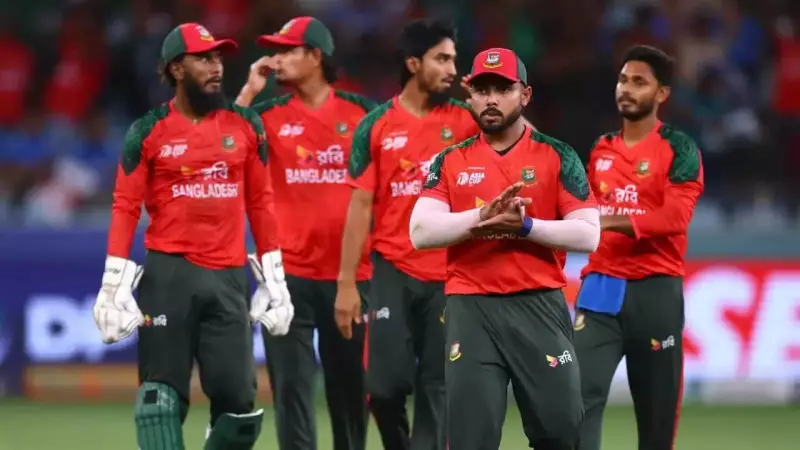
The Bangladesh Cricket Board (BCB) has officially confirmed its decision to boycott the upcoming T20 World Cup, maintaining its stance against traveling to India for the prestigious tournament. This announcement comes after days of escalating tensions between the BCB and international cricket authorities.
BCB President Delivers Strong Statement
BCB president Aminul Islam Bulbul made the organization's position unequivocally clear during a press conference on Thursday. "We want to play the World Cup, but we won't play in India," Bulbul declared emphatically. He expressed deep dissatisfaction with recent developments in international cricket governance, particularly criticizing the conduct of the ICC Board meeting held earlier this week.
"We will keep fighting. There were some shocking calls in the ICC Board Meeting," Bulbul stated. "The Mustafizur issue is not an isolated single issue. They (India) were the sole decision makers in that issue."

ICC Rejects Venue Change Request
The crisis reached its peak when the International Cricket Council (ICC) formally rejected Bangladesh's request to relocate their T20 World Cup matches to Sri Lanka. The decision was made during an ICC Board meeting conducted via video conference on Wednesday, specifically convened to address Bangladesh's concerns.
ICC officials determined that matches would proceed as scheduled in India, citing no credible threat to the safety of Bangladesh players, officials, or supporters at any tournament venues. Despite this assessment, the ICC granted the BCB an additional 24-hour period for reconsideration before making a final decision.
Root Causes of the Conflict
The current standoff originated from multiple contentious issues:
- Mustafizur Rahman Controversy: The removal of Bangladesh's premier fast bowler from Kolkata Knight Riders' IPL roster on BCCI instructions created significant diplomatic friction.
- Security Concerns: BCB cited both security apprehensions and national pride as primary reasons for their boycott decision.
- Venue Preferences: Bangladesh had specifically requested to play all four group stage matches in Sri Lanka rather than scheduled venues in Kolkata and Mumbai.
Proposed Solutions and Alternatives
In their negotiations with ICC officials, the BCB presented several alternative arrangements:
- Complete relocation of Bangladesh's group matches to Sri Lanka
- A proposed swap with Ireland in Group B, which would allow Bangladesh to remain in Sri Lanka throughout the group stage
- Playing matches in Sri Lanka where the high-profile India-Pakistan encounter is already scheduled under existing ICC agreements
Bulbul expressed broader concerns about international cricket's direction, stating, "ICC had denied us our request to shift our matches away from India. We are not sure about the status of world cricket. Its popularity is going down. They have locked away 200 million people. Cricket is going to the Olympics, but if a country like us is not going there, it is ICC's failure."
Glimmer of Hope Remains
Despite the firm stance from BCB leadership, Bangladesh sports advisor Asif Nazrul maintained hope for a resolution. "(We) expect the ICC to provide justice by allowing us to play in Sri Lanka," Nazrul stated, indicating that some channels for negotiation might still remain open.
The situation represents one of the most significant diplomatic challenges in recent cricket history, potentially affecting tournament scheduling, bilateral relations, and the broader landscape of international cricket governance.