Bangladesh Announces Withdrawal from 2026 T20 World Cup
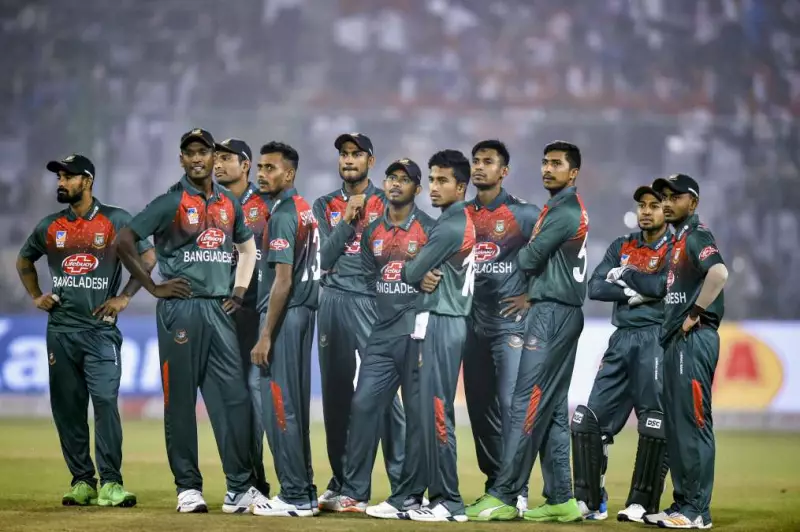
In a surprising turn of events, the Bangladesh Cricket Board has confirmed that the national team will not participate in the 2026 T20 World Cup. This decision has sent shockwaves through the cricketing community, as Bangladesh has been a regular fixture in ICC events. The withdrawal is attributed to a combination of factors, including strategic planning and internal assessments aimed at restructuring the team's future engagements.
Reasons Behind the Decision
While specific details remain under wraps, sources indicate that Bangladesh's exit is part of a broader recalibration of their cricket calendar. The board is reportedly focusing on nurturing young talent and enhancing domestic infrastructure, which may have influenced this move. This step underscores the evolving dynamics in international cricket, where teams are increasingly prioritizing long-term development over immediate tournament participation.
Five Notable Instances of Teams Opting Out of ICC Tournaments
Bangladesh's withdrawal is not an isolated incident in cricket history. Here are five other significant cases where teams have chosen to skip ICC tournaments, highlighting various reasons from political tensions to logistical challenges.

1. West Indies' Boycott of the 1979 Cricket World Cup
In a dramatic protest against the International Cricket Council's policies, the West Indies team boycotted the 1979 Cricket World Cup. This decision was rooted in disputes over player payments and governance issues, showcasing how off-field conflicts can impact major events. The absence of the defending champions left a void in the tournament, emphasizing the power of collective action in sports.
2. Sri Lanka's Withdrawal from the 1996 World Cup
Due to security concerns following political unrest, Sri Lanka initially withdrew from the 1996 World Cup. However, they later reversed their decision and went on to win the tournament, creating one of cricket's most inspiring underdog stories. This instance illustrates how external factors like safety can lead to opt-outs, but also how resilience can turn setbacks into triumphs.
3. Zimbabwe's Non-Participation in the 2003 World Cup
Zimbabwe opted out of the 2003 World Cup, citing financial constraints and internal turmoil within their cricket board. This withdrawal highlighted the economic challenges faced by smaller cricketing nations, affecting their ability to compete on the global stage. It served as a reminder of the importance of stable governance and funding in sports.
4. Kenya's Absence from the 2007 T20 World Cup
Kenya, once a rising force in cricket, chose not to participate in the 2007 T20 World Cup due to a decline in performance and administrative issues. This decision marked a turning point for the team, as they struggled to maintain their earlier successes. It underscores how on-field struggles can lead to strategic withdrawals from tournaments.
5. Afghanistan's Initial Hesitation for the 2015 World Cup
Afghanistan faced uncertainties about participating in the 2015 World Cup due to logistical hurdles and political instability. Although they eventually competed, their initial hesitation reflects the unique challenges faced by emerging cricketing nations. This case shows how external pressures can influence tournament entries, even for teams on the rise.
Implications for Cricket and Future Tournaments
Bangladesh's withdrawal from the 2026 T20 World Cup raises questions about the future landscape of ICC events. It may prompt other teams to reevaluate their participation based on strategic goals, financial considerations, or developmental priorities. The ICC might need to address such trends by offering more flexible scheduling or support mechanisms to ensure broader participation.
In conclusion, while Bangladesh's exit is a setback for the 2026 T20 World Cup, it adds to a rich history of teams opting out of ICC tournaments. These instances remind us that cricket is not just about on-field action but also involves complex decisions shaped by politics, economics, and strategy. As the sport evolves, such withdrawals could become more common, challenging the traditional format of international competitions.