Bangladesh Cricket Team Withdraws from T20 World Cup in India Over Security Fears
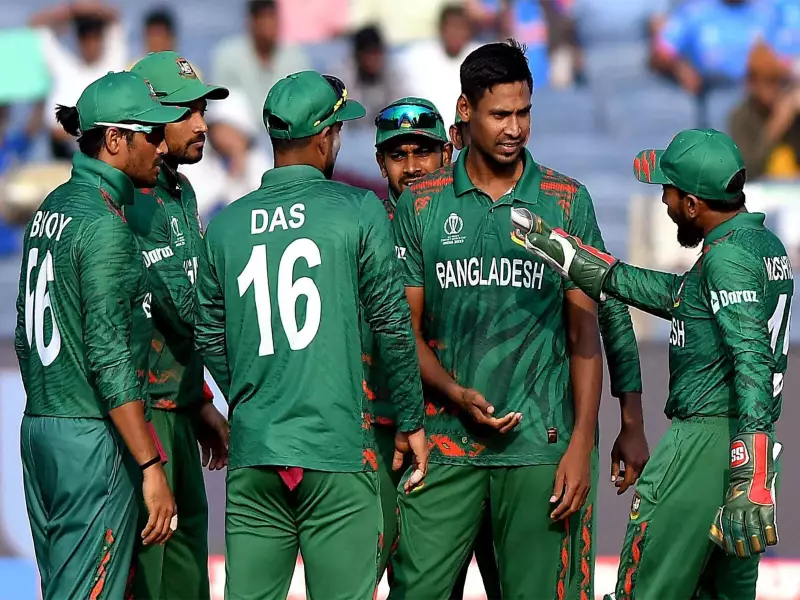
In a dramatic development that has sent shockwaves through the cricketing world, Bangladesh has officially declared that its national cricket team will not travel to India to participate in the upcoming T20 World Cup. The decision, announced on Thursday, is rooted in what Bangladeshi authorities describe as "genuine security risks" for players and fans alike.
ICC Dismisses Concerns, Bangladesh Stands Firm
This announcement comes just a day after the International Cricket Council (ICC) board dismissed Bangladesh's safety apprehensions and rejected their request to shift the team's matches out of India. The ICC had even issued a 24-hour ultimatum to the Bangladesh Cricket Board (BCB), a move that BCB president Aminul Islam strongly criticized. "A global body can't really do that," Islam stated, emphasizing the gravity of the situation.
Islam revealed that Bangladesh plans to approach the ICC with a proposal to play their World Cup matches in Sri Lanka instead. He warned that the ICC stands to lose approximately 200 million viewers if Bangladesh is excluded from the tournament, framing it as a significant financial and viewership blow to the global cricketing body.

Government Intervention Overrides Cricket Board
The final decision was made during a high-level meeting on Thursday involving BCB officials, players, and the interim government's sports adviser, Asif Nazrul. Nazrul, representing the Muhammad Yunus-led interim government, made it clear that this was a governmental mandate. "Bangladesh is not travelling to India to play the World Cup due to security risk — this is a decision made by Bangladesh govt. No other entity has any right to take this decision," he asserted.
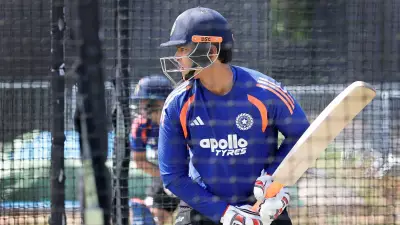
This statement effectively overrode the BCB's ongoing negotiations and directly challenged the ICC's insistence on adhering to the original schedule. Nazrul pointed to a specific incident involving Indian extremists and Bangladeshi player Mustafizur Rahman as evidence of the tangible security threats. "This concern is not based on any abstract or hypothetical idea," he explained, referencing an event where the Board of Control for Cricket in India (BCCI) allegedly failed to provide adequate security under pressure.
Hope for a Neutral Venue and Financial Implications
Despite the firm stance, both the BCB and Nazrul expressed hope that the ICC will reconsider and allow Bangladesh to compete in Sri Lanka. Nazrul cited numerous precedents where matches were relocated due to security concerns, stating, "We have not given up hope yet." BCB president Islam also suggested that the ICC could adopt a neutral venue arrangement similar to the one between BCCI and the Pakistan Cricket Board (PCB), where teams avoid traveling to each other's countries.
However, the ICC has already struck down this suggestion. If Bangladesh formally communicates its withdrawal, the ICC will initiate a process to name a replacement team for the tournament scheduled from February 7 to March 8. Meanwhile, the BCB faces substantial financial losses, estimated at around $500,000 in participation fees alone, not including potential match fees and prize money.
Behind-the-Scenes Efforts and Broader Context
Sources indicate that BCB president Aminul Islam has been making frantic calls to the ICC in a desperate bid to find a middle path and avoid a complete withdrawal. The situation underscores the complex interplay between sports, politics, and security in international cricket. As the deadline looms, the cricketing community watches closely to see if a last-minute resolution can be reached or if Bangladesh will indeed miss out on one of the sport's premier events.