Cricket Australia's top executive, Nick Hockley, is facing sleepless nights as the national board stares down the barrel of yet another substantial financial loss. The cause for this fresh anxiety is the dramatically abbreviated Boxing Day Test match at the Melbourne Cricket Ground (MCG), which concluded inside just two days, severely impacting crucial revenue streams.
A Dream Match Turns into a Financial Nightmare
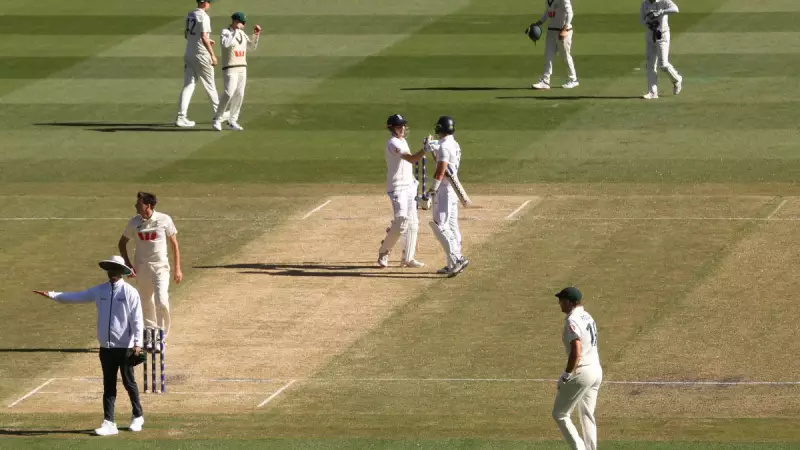
The second Test of the series between Australia and Pakistan, scheduled from December 26 to 30, 2024, was wrapped up with a day to spare on December 27. While the Australian team's dominant performance, led by Pat Cummins' brilliant bowling, was a sporting spectacle, it spelled trouble for the balance sheets. The early finish meant a significant loss of revenue from ticket sales, hospitality packages, and on-ground food and beverage concessions for the three remaining days.
CEO Nick Hockley did not mince words about the situation's gravity. "It's the stuff of nightmares, to be honest," Hockley was quoted as saying, highlighting the direct hit to Cricket Australia's finances. He explicitly mentioned losing sleep over the financial implications, underscoring how critical the Boxing Day Test revenue is for funding the sport at all levels across the country.

The Ripple Effect of a Shortened Game
This incident is not an isolated one for Cricket Australia, which has been grappling with the financial vulnerabilities of the Test match format. A similar scenario played out recently during the Perth Test against the same opponent, which also ended prematurely. These back-to-back abbreviated matches compound the financial strain.
The core of the problem lies in the business model. Broadcast rights deals provide a stable income, but match-day revenue is highly variable and depends entirely on the game going the distance. When a five-day Test concludes in two days, the organizing body loses out on three full days of gate receipts and associated commercial activities. This revenue is vital for sustaining grassroots cricket, women's cricket, and the overall domestic structure.
Searching for Solutions in a Changing Landscape
The repeated occurrence of such short Tests has ignited fresh debates within Cricket Australia and the broader cricketing community. Officials are now forced to seriously reconsider the traditional scheduling and economic model of Test cricket. Discussions are likely to intensify around potential solutions, which could include:
- Exploring insurance products to hedge against the risk of matches ending early.
- Revising ticket pricing structures, perhaps offering multi-day passes with conditional clauses.
- Increasing reliance on and investment in more financially stable white-ball formats to cross-subsidize Test cricket.
- Advocating for more context and competition in the Test calendar to maintain fan interest across all days.
While the victory on the field was emphatic, the hollow echo in the empty MCG stands on days three, four, and five serves as a stark reminder of the modern challenges facing the longest format of the game. The pressure is now on administrators like Nick Hockley to innovate and find a sustainable path forward, ensuring the sport's rich heritage does not become a financial liability.