Broadcasters Consider Legal Action Over Potential Pakistan Boycott of India T20 World Cup Match
In a dramatic development that could overshadow the 2026 T20 World Cup, major television broadcasters are reportedly preparing to move to court if Pakistan decides to boycott its scheduled match against India. This potential legal battle stems from concerns over massive financial losses that broadcasters would incur if the highly anticipated clash does not take place.
The Financial Stakes Behind the India-Pakistan Cricket Rivalry
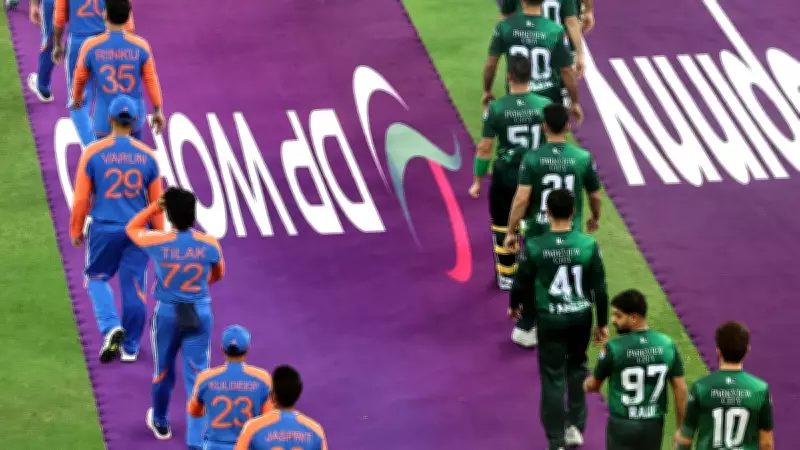
The India-Pakistan cricket match is widely considered the most valuable fixture in international cricket, generating unprecedented television viewership and advertising revenue. Broadcasters who have secured rights for the 2026 T20 World Cup have reportedly invested substantial amounts based on the guaranteed inclusion of this marquee encounter. Industry sources suggest that the advertising revenue from a single India-Pakistan T20 World Cup match could exceed the combined revenue from several other tournament matches.
The potential boycott threat has sent shockwaves through the broadcasting industry, with executives calculating potential losses running into hundreds of crores of rupees. These losses would stem not just from lost advertising slots but also from reduced subscription revenues and diminished overall tournament viewership.

Legal Grounds for Broadcasters' Potential Court Action
Legal experts familiar with sports broadcasting contracts suggest that broadcasters may have grounds for legal action if Pakistan unilaterally decides to boycott the India match. The argument would likely center on the "commercial expectation" and "implied guarantee" of marquee fixtures being included in the tournament schedule as presented during rights acquisition.
Broadcasters typically enter into agreements with tournament organizers based on specific match schedules and anticipated fixtures. If a participating nation withdraws from a scheduled match without legitimate sporting reasons, it could potentially constitute a breach of the commercial understanding between rights holders and tournament organizers.
Historical Context of India-Pakistan Cricket Relations
The relationship between Indian and Pakistani cricket teams has been strained for years, with political tensions frequently spilling over into sporting events. Previous tournaments have witnessed:
- Last-minute cancellations of bilateral series
- Political pressure affecting team participation decisions
- Security concerns impacting match venues
- Visa issues preventing player travel
However, in ICC tournaments like the T20 World Cup, both nations have generally honored their commitments to play scheduled matches, recognizing the global significance of these encounters and their contractual obligations to the international cricket community.
Potential Ramifications for Future Cricket Broadcasting
This developing situation could have far-reaching consequences for how cricket broadcasting rights are structured and negotiated in the future. Broadcasters may begin insisting on:
- Specific contractual clauses protecting their investment in marquee fixtures
- Financial guarantees or insurance against match cancellations
- Higher rights fees for tournaments without guaranteed India-Pakistan matches
- More detailed force majeure provisions covering political boycotts
The 2026 T20 World Cup situation serves as a wake-up call for the entire sports broadcasting industry, highlighting the vulnerability of even the most lucrative sporting events to geopolitical tensions between participating nations.
As preparations for the 2026 tournament continue, all eyes will be on diplomatic channels and cricket administration discussions between India and Pakistan. The resolution of this brewing conflict will not only determine whether fans get to witness another chapter in cricket's greatest rivalry but will also set important precedents for how commercial interests are protected in international sporting events affected by political considerations.