Former England Cricketer Mark Butcher Advocates for Strict ICC Precedent Following Bangladesh's T20 World Cup Removal
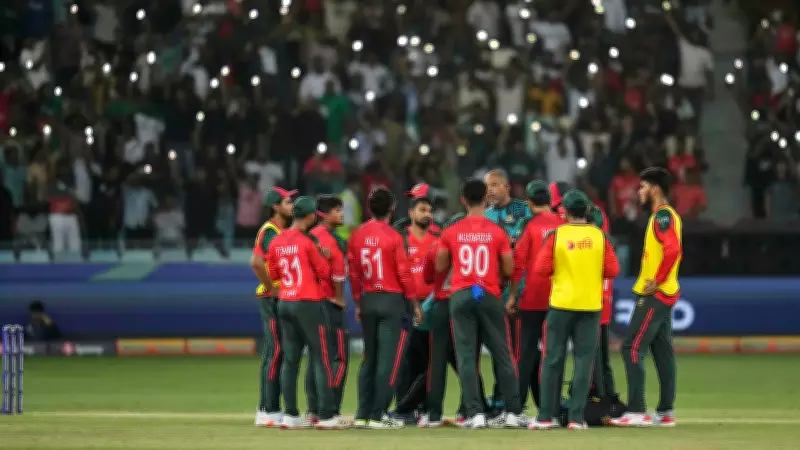
The International Cricket Council's controversial decision to exclude Bangladesh from the upcoming ICC T20 World Cup has sparked intense debate within the cricketing community. Former England batsman Mark Butcher has emerged as a vocal supporter of the ICC's action, arguing that this should establish a firm precedent for future tournaments.
'Teams With Security Concerns Should Be Scrapped' - Butcher's Strong Stance
Speaking on the Wisden podcast, the 53-year-old cricketer-turned-commentator expressed his clear position on the matter. "When a team – whether it's through their government or it's off their own bat – have security concerns or whatever concerns about visiting a country for a tournament, then basically they should be scrapped and the next cab off the rank qualifies and you go ahead without them," Butcher stated emphatically.
He further elaborated that this approach represents what he believes should become standard protocol moving forward. "This is a precedent that I think is worth following," Butcher emphasized, suggesting that the ICC's decision regarding Bangladesh should serve as a model for handling similar situations in the future.

Drawing Parallels with India-Pakistan Champions Trophy Situation
Butcher drew attention to recent cricketing history to support his argument, specifically referencing last year's ICC Champions Trophy situation involving India and Pakistan. "Obviously, the India Champions Trophy issue with Pakistan and how that ended up being resolved with India playing matches in Dubai, including the final," he noted, highlighting how tournaments have been restructured to accommodate specific teams.
The former cricketer acknowledged that such accommodations have occurred throughout cricket's history but suggested recent developments represent a new pattern. "We've had tournaments kind of re-jigged and re-arranged to accommodate one team or another throughout the history of the game of cricket, but perhaps not quite in the way that we've seen in recent times," Butcher observed.
Balancing Commercial Realities with Sporting Integrity
Butcher addressed the complex relationship between cricket's commercial interests and its sporting principles in his analysis. While acknowledging India's unique position in world cricket, he argued that "the integrity of the sport should still be more important than where most of the money comes from."
He made a pointed comparison: "I'm certainly not being naive in thinking that everyone else stands in the same position India does because they don't. That's visible from space. However, the integrity of the sport should still be more important."
The Broader Implications for International Cricket Governance
This development raises significant questions about how international cricket bodies should handle teams that express reluctance to travel to host nations. Butcher's comments suggest a growing sentiment that:
- Tournament participation should be non-negotiable once qualification is secured
- Security concerns, while valid, should not disrupt tournament structures
- Alternative arrangements for specific teams create problematic precedents
- The sport's integrity must remain paramount despite commercial considerations
The Bangladesh cricket team's removal from the T20 World Cup, and Butcher's strong endorsement of this decision, highlights ongoing tensions between national considerations and international tournament requirements. As cricket continues to globalize, such conflicts may become increasingly common, requiring clear protocols and consistent application of rules.
Butcher's call for establishing firm precedents reflects a desire for greater consistency in how cricket's governing bodies handle these complex geopolitical and security-related challenges. The coming months will reveal whether the ICC adopts this stricter approach as standard policy or continues with more flexible arrangements based on specific circumstances.