Cricket Australia's top executive has delivered a blunt commercial assessment of the dramatically short fourth Ashes Test at the Melbourne Cricket Ground (MCG), stating that such abbreviated matches are detrimental to the sport's finances. Chief Executive Todd Greenberg revealed he spent a sleepless night after an astonishing 20 wickets fell on the opening day of the Boxing Day Test, concerned about the significant financial losses incurred when a five-day match concludes in just two.
A Sleepless Night Over Wickets and Revenue
Speaking to SEN Radio, Greenberg did not mince his words about the impact of the match's rapid progression. "As mesmerising and fascinating and enjoyable as it was to watch as a fan, we want Test cricket clearly to go for longer," he stated. He then framed the issue in stark economic terms: "A simple phrase I’d use is short Tests are bad for business. I can’t be much more blunt than that."
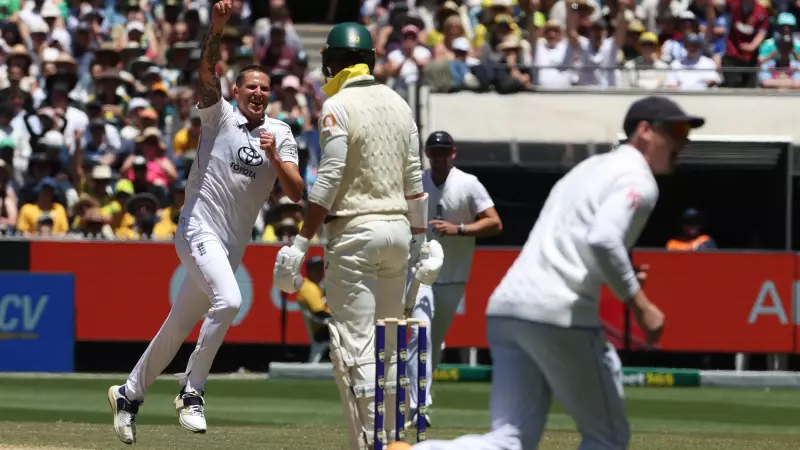
The chaos unfolded on December 26, 2025, when Australia was bowled out for 152 in 45.2 overs, only for England to collapse for 110 in 29.5 overs, forcing Australia to bat again before stumps. The carnage continued on Day 2, with Australia managing just 132 in 34.3 overs, setting England a target of 175. England looked poised to chase it down on the same day, sealing a two-day finish. This marked the second two-day Test of the 2025 Ashes series.

Pitch Preparation Under Scrutiny: A Hands-On Approach?
Greenberg indicated that Cricket Australia may abandon its traditional hands-off policy regarding pitch curation to prevent future commercial disasters. The MCG pitch, which Australian captain Steve Smith noted had about 10mm of grass before the match, has been widely criticised by commentators and former players.
"Historically we have taken a hands-off approach in all of our wicket preparation and allowed the staff and the conditions and those characteristics to be presented," Greenberg explained. "But it’s hard not to get more involved when you see the impact on the sport, particularly commercially."
He clarified that this doesn't mean direct interference with ground staff but rather establishing clearer expectations. "I’m not suggesting we’re going to go around talking to groundstaff, but we do have to have a careful eye on what our expectations are over the course of a summer," he added, calling for a better "balance between bat and ball."
The Commercial Fallout of a Two-Day Spectacle
While the thrilling collapse provided high drama for fans at the ground and watching on television, Greenberg's comments highlight the complex economics of modern Test cricket. A match ending in two days represents a major financial hit:
- Lost revenue from three days of ticket sales and hospitality.
- Reduced broadcast advertising inventory.
- Disrupted scheduling and associated commercial partnerships.
The CEO's stark admission underscores the constant tension between preserving the authentic, unpredictable nature of Test cricket and safeguarding its commercial viability. The board now faces the delicate task of ensuring sporting pitches without manufacturing dull, batter-friendly strips, all while keeping the balance sheets healthy. The fourth Ashes Test of 2025 may be remembered not just for its flurry of wickets, but as the moment Cricket Australia's commercial priorities openly collided with the sport's unpredictable soul.