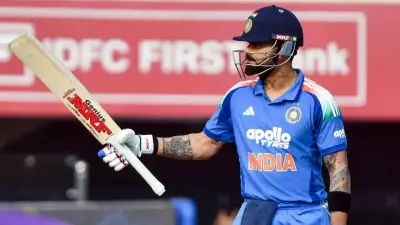
Chepauk Stadium Unveils Toss and Bat First Strategy for T20 World Cup 2026
The historic Chepauk Stadium in Chennai, a revered venue in international cricket, has officially disclosed a pivotal strategic mantra ahead of the T20 World Cup 2026. This approach centers on the fundamental principle of winning the toss and opting to bat first, a tactic deemed essential for achieving success in the tournament's high-pressure encounters.
The Core of the Chepauk Mantra
According to insights from the stadium's management and local cricket experts, the "Chepauk Mantra" is rooted in the unique playing conditions at the venue. The pitch at Chepauk is known to progressively slow down as the match advances, making batting increasingly challenging in the later innings. By batting first, teams can capitalize on a fresher, more predictable surface, setting a formidable target while avoiding the complications of chasing under deteriorating conditions.
This strategy is not merely theoretical; it is backed by historical data from matches held at Chepauk. Statistics reveal that teams batting first have secured a significantly higher win percentage in T20 internationals at this ground, particularly in day-night fixtures where dew can further disadvantage the chasing side. The mantra emphasizes that winning the toss provides a critical early advantage, allowing captains to implement this plan effectively.

Implications for T20 World Cup 2026
With the T20 World Cup 2026 scheduled to feature matches across various Indian venues, including Chepauk, this mantra is expected to influence team preparations and on-field decisions. Coaches and analysts are likely to incorporate specific training regimens tailored to excel while batting first under Chepauk's conditions. Key aspects include:
- Powerplay Optimization: Maximizing runs in the initial six overs when the ball comes onto the bat more smoothly.
- Middle-Over Consolidation: Building a stable innings as the pitch begins to slow, ensuring a competitive total.
- Death Bowling Focus: Strengthening bowling attacks to defend targets, leveraging the pitch's assistance to spinners and slower bowlers in the latter stages.
This strategic focus could reshape how teams approach the tournament, potentially leading to more aggressive batting displays in the first innings and heightened emphasis on toss outcomes. It underscores the importance of adaptability and local knowledge in modern cricket, where venue-specific tactics can be the difference between victory and defeat.
Expert Opinions and Future Outlook
Cricket pundits have largely endorsed the Chepauk Mantra, noting its alignment with the evolving dynamics of T20 cricket. They argue that in a format where margins are razor-thin, gaining an early edge through the toss and batting first can demoralize opponents and control the game's tempo. However, some caution that over-reliance on this strategy might backfire if conditions vary or if teams develop effective counter-measures for chasing.
As the T20 World Cup 2026 approaches, all eyes will be on Chepauk Stadium to see how this mantra plays out in practice. Its adoption could set a precedent for other venues, highlighting the growing role of data-driven strategies in cricket. Ultimately, the success of this approach will depend on execution, but it undoubtedly adds an intriguing layer to the tactical landscape of the upcoming tournament.