Aakash Chopra Calls for Substantive Support for Nepal's Cricket Rise
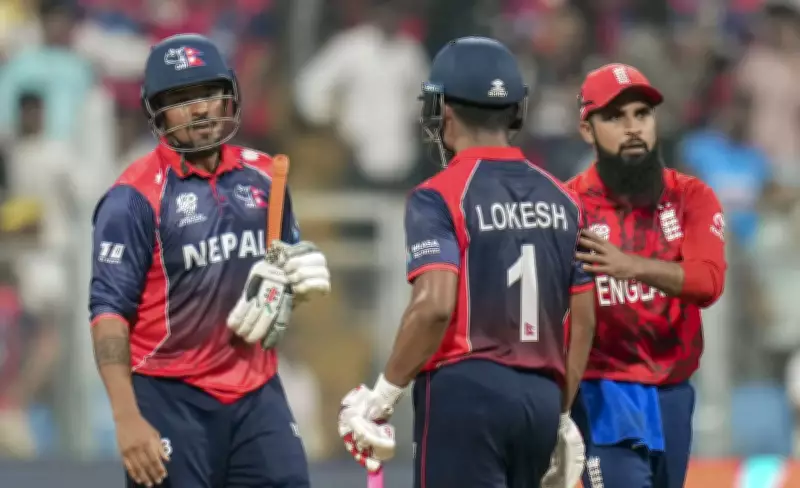
Former India opening batter and prominent cricket analyst Aakash Chopra has issued a powerful appeal to the International Cricket Council (ICC) and the sport's leading nations, urging them to move beyond symbolic gestures and provide genuine, sustained opportunities to associate teams like Nepal. This call comes in the wake of Nepal's electrifying and narrow four-run defeat against the defending champions, England, in their Group C opener of the T20 World Cup 2026 at Mumbai's Wankhede Stadium.
Beyond Token Participation: A Plea for Consistent Engagement
In a detailed video on his widely followed YouTube channel, Chopra expressed frustration with the current model of engagement with lower-ranked cricketing nations. "I am going to talk about what we are doing with associate or slightly lower-ranked teams. It's token participation. It's a lip-service job," Chopra stated emphatically. He argued that performances like Nepal's against England should translate into regular bilateral series and tournament invitations, not just fleeting applause that surfaces once every World Cup cycle.
"This is not an appreciation post, that they do well, and then you will remember them after two years," he added, highlighting the cyclical nature of attention these teams receive. Chopra painted a vivid analogy: "They came to the wedding and you forgot them after that. You don't even know where they are for the next two years."

The Wankhede Epic: A Narrative of Promise and Heartbreak
The match itself has become one of the defining early stories of the T20 World Cup 2026. England, after posting a competitive 184 for seven, survived a monumental scare. Nepal, in response, mounted a spirited chase, finishing at 180 for six, falling just agonizingly short of a historic upset.
Nepal's innings was a tale of collective effort and late drama. Skipper Rohit Paudel and the experienced Dipendra Singh Airee steadied the chase with a crucial 82-run partnership for the third wicket, both scoring 39 runs. Opener Kushal Bhurtel provided early momentum with a brisk 29 off just 17 balls. The late surge was led spectacularly by Lokesh Bam, whose unbeaten 39 off 20 deliveries included two massive sixes off the pace of Jofra Archer and successive boundaries against Luke Wood.
Needing 10 runs from the final over, Nepal managed only five as England's Sam Curran held his nerve, delivering pinpoint yorkers under immense pressure. The heartbreak for Nepal was palpable, but the performance was monumental.
A Sea of Blue and Red: Fan Power and Global Growth
Adding to the spectacle was the overwhelming support for Nepal. More than 17,000 fans, predominantly clad in Nepali colors, packed the Wankhede Stadium, creating a deafening roar for every boundary and wicket. This incredible display of fan passion underscored the sport's rapidly growing popularity in the Himalayan nation and served as a visual testament to its potential on the world stage.
Chopra's Core Argument: Exposure Breeds Excellence
Reflecting on Nepal's inability to cross the finish line in such tense moments, Chopra argued that such lapses are inevitable without consistent exposure to top-level cricket. "The lower-ranked teams have done well in every single game, but that won't remain the story, as we hear this story once in two years. We celebrate it, talk about it, and then we completely forget about it," he observed.
He pointed out the disconnect that follows global tournaments: "It doesn't matter to us at all. We move on. We go to our homes and play our bilaterals and tournaments. No one bothers about them." Chopra stressed that tangible improvement for teams like Nepal will only materialize through regular competition against stronger opponents. He insisted that the onus is squarely on the established cricketing nations and the ICC to foster this engagement for the holistic growth and globalization of the sport.
Nepal's performance, though ending in defeat, has left an indelible mark on the tournament and reinforced Aakash Chopra's central thesis: what associate nations need is meaningful, long-term structural support and playing opportunities, not just periodic admiration during World Cups.