The cricketing relationship between India and Bangladesh has plunged into a significant crisis, with former Indian opener and prominent commentator Aakash Chopra weighing in on the potential consequences for the World Test Championship (WTC). The situation escalated on Monday, January 5, 2026, when Bangladesh's Information and Broadcasting Ministry announced a ban on the telecast of the Indian Premier League (IPL) in the country.
The Genesis of the Crisis: IPL Ban and Tour Suspension
The immediate trigger for the diplomatic and sporting standoff was the ouster of Bangladesh's star fast bowler, Mustafizur Rahman, from the Kolkata Knight Riders (KKR) squad for the 2026 IPL season. The Bangladesh government cited this as the reason for the indefinite broadcast ban. In a retaliatory move, the Board of Control for Cricket in India (BCCI) put India's scheduled tour of Bangladesh later in 2026 on hold. This tit-for-tat action stems from broader political tensions between the two neighbouring nations.
Compounding the issue, Bangladesh has also refused to send its team to play their matches in India for the upcoming T20 World Cup, following the BCCI's instruction to KKR regarding Mustafizur. This has drawn parallels with India's long-strained cricketing ties with Pakistan, where bilateral series are non-existent and teams only meet in neutral venues during ICC events.

Aakash Chopra's Stark Analysis: "Is It Benefitting the WTC?"
In a detailed discussion on his YouTube channel, Aakash Chopra backed the BCCI's firm stance. Addressing concerns about the impact on world cricket, particularly the World Test Championship, Chopra presented a pragmatic, if blunt, assessment.
"Don't come to play the World Cup in India. It's fine," Chopra stated. He responded to critics who worry that with only nine Test-playing nations, losing bilateral contests with Bangladesh (and Pakistan) reduces the pool. "To them I say so what? If we play Bangladesh in Tests, is it actually benefitting the World Test Championships?" he questioned.
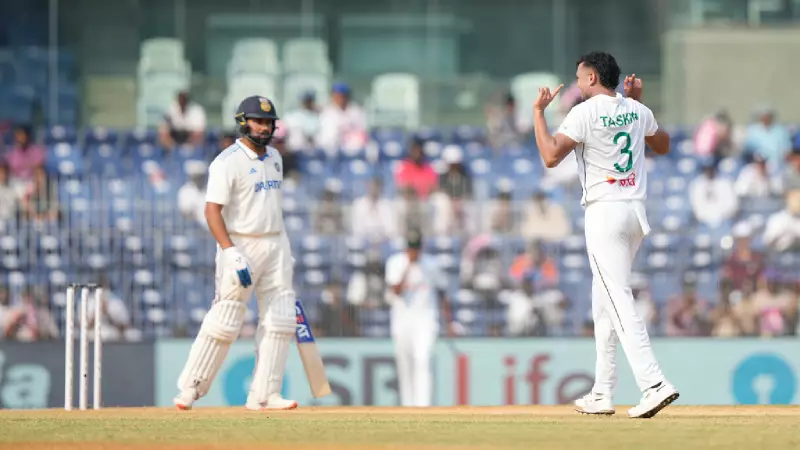
To justify his point, Chopra referenced the last Test series between the two teams. "Last time we played them, there were 2 Tests of which one was completed in one and a half days. Our batters had absolutely dominated their bowlers. It's not as if they will improve all of a sudden," he argued, highlighting the one-sided nature of recent contests.
Drawing Parallels with the Pakistan Equation
Chopra extended his argument by comparing the situation with Pakistan, a team India has not played bilaterally for over a decade. He questioned the competitive gap their absence creates in the WTC landscape.
"We are not playing Pakistan. In the past WTC cycles, when have Pakistan finished in the top 3? Not even once. So how does it make a huge difference to world cricket in that way?" he added. His comments underscore a view that the absence of certain bilateral fixtures does not necessarily dilute the competitiveness of the ICC's premier Test competition, challenging a commonly held notion.
The ongoing crisis casts a long shadow over future cricketing engagements between India and Bangladesh. With political tensions influencing board decisions, player participation, and even television broadcasts, the path to normalization appears complex. Chopra's analysis shifts the focus from the mere number of playing nations to the quality and competitiveness of the contests that constitute the World Test Championship.