ECB Stands Firm on Leadership After Ashes Defeat, Rejects Calls for Sackings
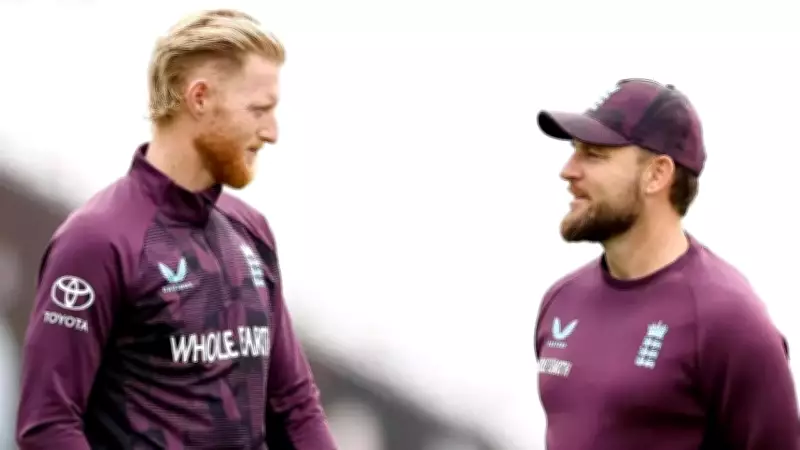
The England and Wales Cricket Board (ECB) has made a significant decision to maintain stability within its leadership structure despite England's disappointing 4-1 Ashes series defeat in Australia. Following a comprehensive review of the tour, the board has confirmed that managing director Rob Key, head coach Brendon McCullum, and captain Ben Stokes will all continue in their current roles without any changes to the established leadership group.
"Not the Time to Throw Everything Out"
ECB chair Richard Gould emphasized that firing personnel would represent "the easy thing to do" but insisted this approach would not serve English cricket's long-term interests. "This is not the time to throw everything out," Gould stated firmly during discussions about the review outcomes. He elaborated that the board recognized the need for continuity rather than reactionary changes following the Ashes disappointment.
Gould further explained the board's perspective, noting that "moving people on can sometimes be the easy thing to do. That's not the route that we're going to take." He expressed confidence in the current leadership team's capabilities, stating he had witnessed "the driving ambition and determination that we're lucky enough to have within our leadership group to take the lessons from the Ashes and move forward."

Unique Nature of Cricket Leadership
The ECB chair drew important distinctions between cricket and football management approaches, highlighting that cricket operates under different principles. "Cricket is a very unique sport in that it takes a team of leadership ... it's not like football where there's a single point of failure or success with a manager," Gould explained, referencing his previous experience as chief executive of Bristol City football club.
He emphasized that the ECB would not make personnel decisions based on popularity or public pressure, stating clearly that the board would not "select or deselect management based on a popularity campaign." This stance reflects a commitment to strategic decision-making rather than reactionary responses to disappointing results.
Tour Review Identifies Key Areas for Improvement
The comprehensive review of the Ashes tour identified several specific areas requiring attention and improvement. These included:
- Preparation protocols and scheduling
- Player behavior and professionalism standards
- Selection decisions and squad management
During a press conference at Lord's Cricket Ground, Gould and Key addressed media questions directly, confirming there had been no significant conflict between McCullum and Stokes during the challenging tour. They described the working relationship as professional and collaborative despite the disappointing results.
Evolution Rather Than Revolution
The leadership team acknowledged that some player behavior during the tour had been "unprofessional" and required addressing. However, they emphasized that McCullum was not expected to "completely change" his approach but rather to "evolve" his methods based on lessons learned from the Australian tour.
Key areas of focus moving forward include:
- Implementing stricter consequences for underperformance
- Developing better long-term planning for major Test series
- Improving preparation protocols for overseas tours
Performance Context and Future Direction
Rob Key acknowledged that supporters and critics might have expected more decisive action following what was described as England's strongest touring side to Australia in 14 years. The team lost the Ashes within just 11 days, with two Tests remaining in the series.
"I know people want punishment and that people then should be sacked for that," Key stated, recognizing public sentiment. "That doesn't mean we don't feel like we've gone through some serious pain: Brendon, myself, Ben. It's been as tough a time as I think I've had."

The board noted that some adjustments had already been implemented during the ICC Men's T20 World Cup, where England reached the semifinals. Gould suggested that this improved performance contributed to the decision to retain McCullum as head coach, demonstrating the leadership group's capacity to learn and adapt following setbacks.
This decision represents a significant vote of confidence in the current leadership structure and a commitment to building sustained success through continuity rather than frequent personnel changes. The ECB's approach emphasizes long-term development over short-term reactions, setting the stage for England's rebuilding process ahead of future international competitions.