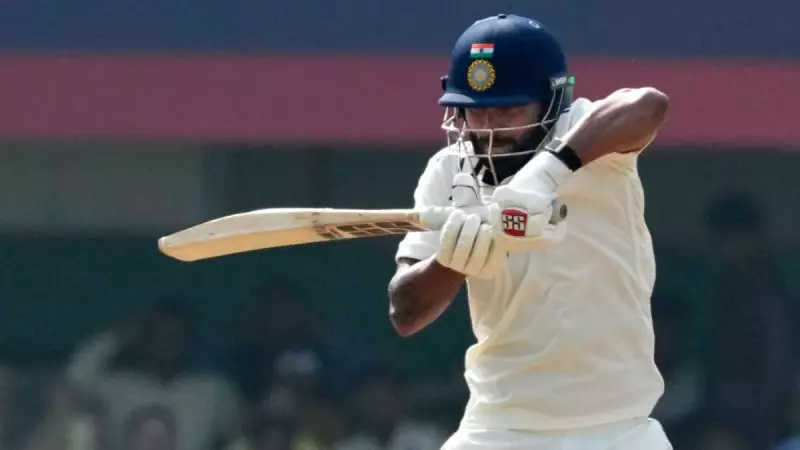
The selection of young all-rounder Nitish Kumar Reddy in India's One Day International squad has ignited a fresh debate within the cricketing fraternity. A former Indian cricketer has publicly questioned the decision, pointing to perceived inconsistencies in the selection process and the player's own form.
Veteran Voice Raises Concerns Over Selection Criteria
The criticism came from a respected former India player, whose identity is associated with raising pointed questions about team selections in the past. The core of the argument revolves around the apparent "inconsistency" in the selection parameters applied by the national selection committee, chaired by Ajit Agarkar.
The former star specifically highlighted Nitish Reddy's inclusion, suggesting that it may not align with a consistent policy for picking players for the 50-over format. This brings the spotlight squarely on the BCCI selection panel's decision-making process ahead of future assignments.

Scrutinizing Nitish Reddy's Recent Track Record
Nitish Kumar Reddy, the Andhra Pradesh and Sunrisers Hyderabad player, earned his maiden senior India call-up for the recent ODI series. While Reddy has shown flashes of brilliance, particularly in the Indian Premier League with his hard-hitting batting and handy medium pace, his first-class and List A numbers are under scrutiny.
The former cricketer's critique implies that Reddy's domestic record in the 50-over format might not yet warrant a national cap, especially when compared to other performers on the domestic circuit. The question being posed is whether the selection is based on long-term potential or immediate IPL impact, a dilemma Indian selectors have often faced.
The Broader Implications for Team India's Strategy
This incident is not an isolated one. It taps into a larger, ongoing conversation about the roadmap for the Indian ODI team, especially with an eye on major tournaments. The selection of a young all-rounder is always seen as an investment in the future, but it must be balanced with current performance metrics.
The former player's comments force a discussion on whether there is a clear, communicated pathway for players transitioning from T20 leagues to the national ODI setup. It also raises questions about the weightage given to different formats when identifying talent for specific roles in the team.
As the Indian team management and selectors plan for the coming seasons, such debates are crucial. They ensure accountability and transparency in the system, keeping the focus on building a robust team capable of consistent success. The response to this criticism, whether through player performance or selector clarification, will be watched closely by fans and pundits alike.