Sunil Gavaskar Addresses Abhishek Sharma's T20 World Cup Performance Issues
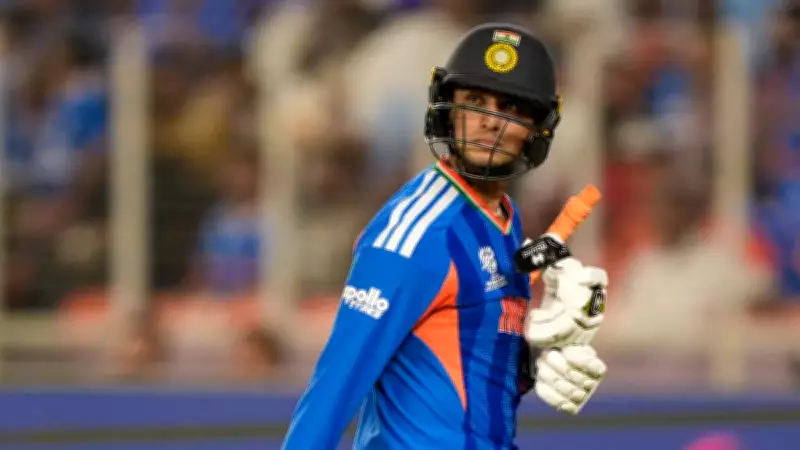
Cricket icon Sunil Gavaskar has publicly commented on the disappointing showings of young Indian batsman Abhishek Sharma during the recent T20 World Cup tournament. In a detailed assessment, Gavaskar pinpointed specific technical and mental hurdles that contributed to Sharma's lackluster outcomes on the global stage.
Gavaskar Highlights Lack of Batting Fluency
Gavaskar emphasized that Sharma's primary shortcoming was an absence of fluency in his innings. He observed that the batsman struggled to find rhythm and timing, which are crucial for scoring quickly in the fast-paced T20 format. This lack of flow often resulted in premature dismissals and low strike rates, undermining India's batting momentum in key matches.
Furthermore, Gavaskar noted that Sharma appeared tentative and uncertain at the crease, failing to adapt to varying pitch conditions and opposition bowling strategies. This hesitancy prevented him from building substantial partnerships or playing the aggressive, match-winning knocks expected from a top-order player in such a high-profile competition.

Technical and Mental Factors Behind the Failures
Delving deeper, Gavaskar analyzed several factors contributing to Sharma's struggles:
- Footwork Issues: Inconsistent movement and positioning against both pace and spin bowlers.
- Shot Selection: Poor decision-making leading to risky strokes at inopportune moments.
- Pressure Handling: Difficulty coping with the intense scrutiny and expectations of a World Cup environment.
- Form Slump: A prolonged period of underwhelming performances affecting confidence and execution.
Gavaskar stressed that these elements combined to create a cycle of underperformance, where each failure exacerbated the next, making it challenging for Sharma to break free and deliver impactful contributions for the national team.
Implications for Future Selection and Development
The critique from a respected figure like Gavaskar carries significant weight in cricketing circles. It raises questions about Sharma's immediate future in the Indian T20 squad and highlights areas for improvement. Gavaskar suggested that focused training, mental conditioning, and domestic cricket exposure could help Sharma regain form and refine his skills.
This analysis also sparks broader discussions about player development and selection policies, emphasizing the need for robust support systems to nurture young talent during high-pressure tournaments. As the cricketing community reflects on India's World Cup campaign, Sharma's case serves as a reminder of the fine margins between success and failure at the elite level.