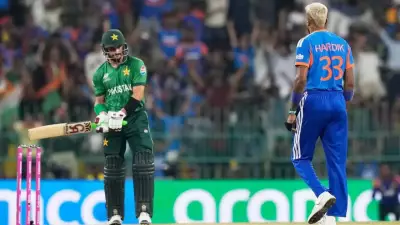
Indian cricket star Shubman Gill has broken his silence after being overlooked for the upcoming ICC T20 World Cup, delivering a philosophical take on the unexpected selection snub. The 26-year-old opening batter, who currently captains the Indian team in Test and One-Day International formats, was not considered for the global T20 tournament scheduled for next month.
A Captain Overlooked for the Global Stage
Despite his leadership role in the longer formats of the game, the national selectors decided to look past Gill for the T20 World Cup squad. This decision comes as a significant surprise to many followers of the sport, given Gill's stature and recent responsibilities within the team setup. His non-selection sparks a major debate about form, role clarity, and team composition in the shortest format.
The young cricketer has represented India in 36 T20 Internationals, where he has amassed a total of 869 runs. His career in the T20I arena shows an average of 28.03, maintained with a strike rate of 138.59. These statistics present a picture of a dynamic player capable of aggressive innings, making his exclusion a topic of intense discussion among fans and pundits alike.

Gill's Philosophical Stand on Destiny and Performance
Addressing the situation, Gill chose a path of introspection and resilience rather than confrontation. He made his feelings clear with a statement focused on acceptance and future resolve. "Whatever is written in my destiny, no one can take that from me," Gill stated, encapsulating his mindset towards this professional setback.
This remark underscores a profound belief in his own journey and a refusal to let a single selection decision define his career trajectory. It reflects the mentality of an athlete who trusts his process and abilities, viewing this omission as a temporary detour rather than a roadblock.
Implications and the Road Ahead for the Indian Batting Star
The immediate consequence is that one of India's premier batters will be watching the World Cup from the sidelines. This development opens the door for other contenders at the top of the order and reshuffles the team's batting strategy for the marquee event.
For Gill, the focus now likely shifts to consolidating his position as a leader in Test and ODI cricket and working on the specific facets of his T20 game. His response indicates a long-term perspective, where current disappointment is channeled into motivation for future comebacks. The cricketing world will be keenly observing how this chapter influences his growth and performance in all formats moving forward.
Ultimately, Gill's mature reaction turns a selection controversy into a narrative about an athlete's character. It highlights the unpredictable nature of professional sport, where excellence in some areas does not always guarantee opportunities in others, and where a player's response to adversity often speaks louder than the setback itself.