Harbhajan Singh Questions Pakistan's Proposed Boycott of T20 World Cup Match Against India
In a recent development that has stirred the cricketing world, former Indian spin legend Harbhajan Singh has openly criticized Pakistan's potential boycott of the upcoming T20 World Cup clash against India. The controversy stems from discussions within Pakistan's cricket circles about possibly refusing to play the high-profile match, a move that Harbhajan has strongly condemned.
What Benefit Are You Going to Get?
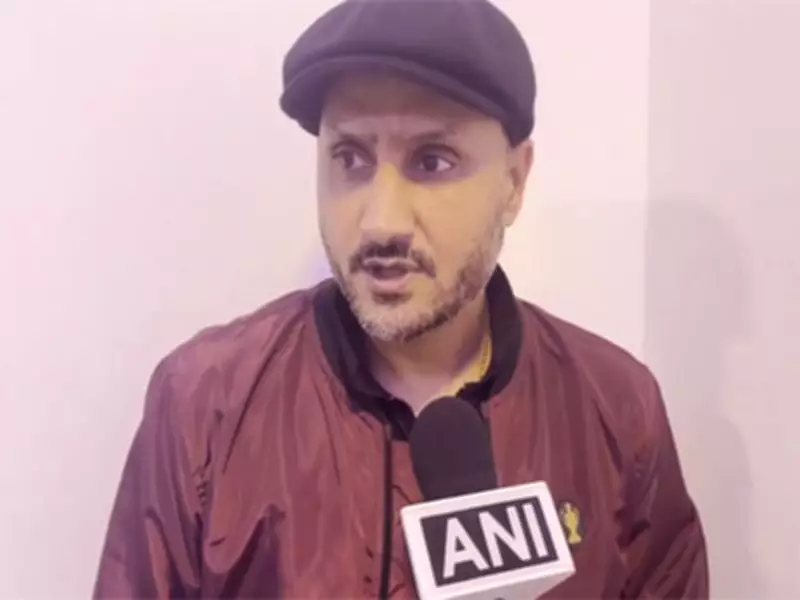
Harbhajan Singh, known for his forthright opinions, directly challenged the rationale behind such a boycott. He emphasized that sports, especially cricket, should remain a platform for healthy competition and camaraderie, rather than being entangled in political disputes. "What benefit are you going to get from boycotting a match?" he questioned, highlighting that such actions only deprive fans of thrilling contests and players of valuable opportunities on the global stage.
Background of the T20 World Cup Clash
The T20 World Cup is one of the most anticipated events in international cricket, and matches between India and Pakistan are often billed as blockbuster encounters due to their intense rivalry and massive viewership. Historically, these games have drawn millions of fans worldwide, contributing significantly to the sport's popularity. A boycott would not only impact the tournament's excitement but also affect the spirit of the game.

Harbhajan's Call for Sports to Stay Apolitical
Harbhajan Singh urged both nations to keep politics out of sports, stressing that cricket has the power to bridge differences and foster goodwill. He pointed out that past India-Pakistan matches have often served as moments of unity, bringing people together despite geopolitical tensions. By boycotting, Pakistan risks undermining this positive aspect of the sport, he argued, suggesting that it could set a negative precedent for future international sporting events.
Reactions and Implications
The cricketing community has been divided over this issue, with some supporting Harbhajan's stance on maintaining sportsmanship, while others in Pakistan cite political reasons for considering a boycott. If Pakistan proceeds with the boycott, it could lead to:
- Reduced competitiveness in the T20 World Cup, as India-Pakistan matches are key highlights.
- Potential financial losses for broadcasters and organizers due to lower viewership.
- A strained relationship between the cricket boards of both countries, affecting future collaborations.
Harbhajan's comments have sparked a broader debate on whether sports should be used as a tool for political statements, with many fans and experts echoing his call for separation.
Conclusion
As the T20 World Cup approaches, the focus should ideally be on the game and the talent on display. Harbhajan Singh's criticism serves as a reminder of cricket's unifying potential, urging all stakeholders to prioritize the sport over external conflicts. Whether Pakistan will heed this advice remains to be seen, but the discussion has certainly highlighted the delicate balance between sports and politics in international cricket.