The International Cricket Council (ICC) is evaluating a series of significant changes to cricket's playing conditions across all formats. Among the most notable proposals is the potential introduction of the pink ball in Test matches under specific circumstances, as reported by Cricbuzz. The discussions took place during the ICC Chief Executives Committee meeting held virtually, with former India captain Sourav Ganguly, who currently heads the ICC Cricket Committee, participating.
Pink Ball in Test Cricket
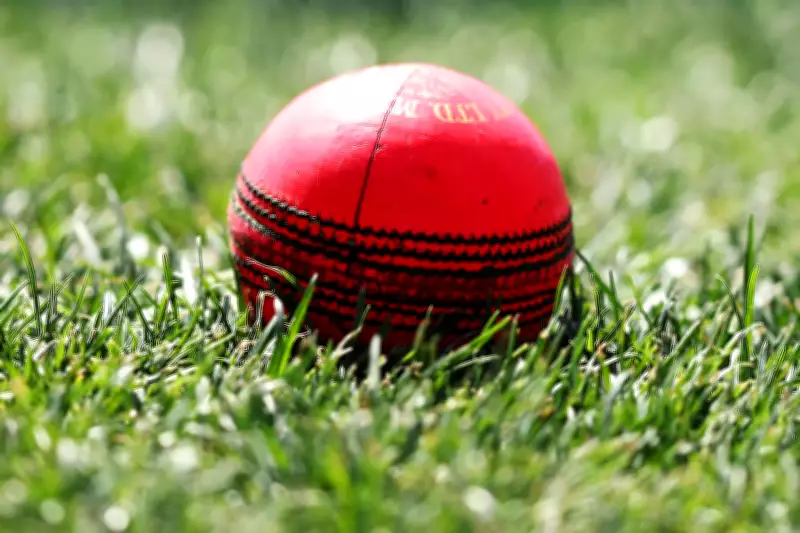
One of the key proposals is to use a pink ball in regular Test cricket when weather interruptions force matches to continue under lights. According to the report, both teams must agree to the switch before the series begins, with mutual consent being a critical condition. The exact process of transitioning from a red ball to a pink ball during an ongoing Test remains unclear, but the ICC is actively exploring the move. The proposed regulations could officially take effect from October 1, pending approval by the ICC Board at its meeting in Ahmedabad on May 30.
Coaches on Field During ODI Drinks Breaks
Another notable proposal involves allowing head coaches onto the field during drinks breaks in ODI cricket. Currently, only substitute players are permitted to enter the field during those intervals. The existing rule states: "Any player taking drinks onto the field shall be dressed in proper cricket attire." If approved, head coaches would be able to interact directly with players during drinks intervals in ODIs, similar to what is already allowed in T20 Internationals for tactical discussions. However, it remains uncertain whether coaches would need to wear official team kit while on the field.

Shorter T20I Innings Break
The ICC is also considering reducing the innings break in T20Is from 20 minutes to 15 minutes. The current rule specifies: "There shall be a 20-minute interval between innings, taken from the call of Time before the interval until the call of Play on resumption after the interval." A shorter break would leave teams with less time to regroup and plan their chase.
HawkEye for Suspect Bowling Actions
Another important addition under consideration is giving on-field umpires access to HawkEye technology to monitor suspected illegal bowling actions during matches. While operational details are yet to be finalized, the move aims to tighten oversight around suspect bowling actions in international cricket.
According to Cricbuzz, all these proposed amendments remain under discussion and await formal approval from the ICC Board later this month.