ICC Mediator Flies to Lahore in High-Stakes Bid to Save India-Pakistan T20 World Cup Clash
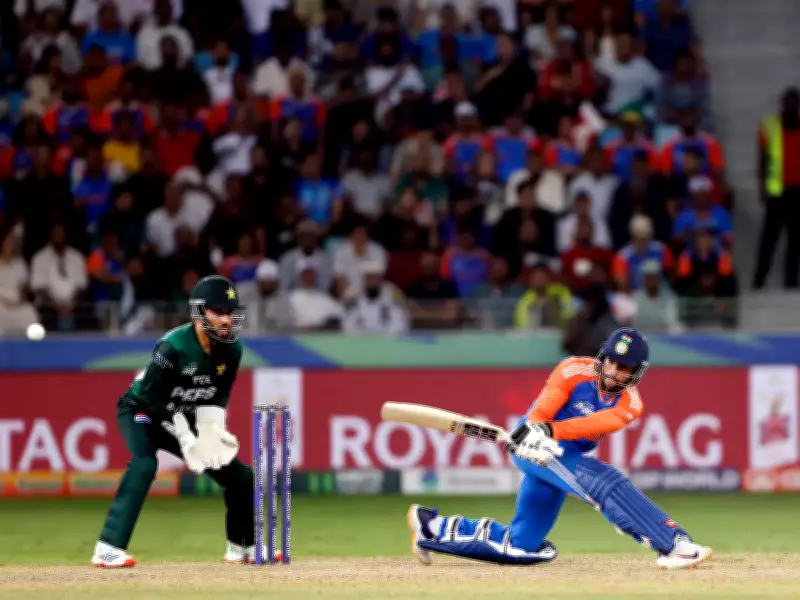
The prospects for a highly anticipated India–Pakistan cricket showdown in Colombo on February 15 during the ongoing 2026 T20 World Cup have significantly improved. This development follows the arrival of International Cricket Council (ICC) deputy chairman Imran Khwaja in Lahore on Sunday for a critical meeting with top officials of the Pakistan Cricket Board (PCB).
High-Level Discussions at Gaddafi Stadium
Imran Khwaja was engaged in intensive discussions at Lahore's Gaddafi Stadium with PCB chairman Mohsin Naqvi. The meeting also included Bangladesh Cricket Board president Aminul Islam Bulbul and PCB chief operating officer Sumair Ahmed Syed. Sources closely monitoring the situation in Pakistan expressed optimism, stating, "Important meetings are underway. Hopefully, there is now a big ray of hope that the India–Pakistan match will take place as scheduled."
Khwaja, who has been acting as a mediator in this sensitive diplomatic and sporting standoff, was received at Lahore airport by Amir Mir, an advisor to PCB chairman Naqvi. The ICC official traveled with the explicit objective of salvaging the marquee fixture, which holds enormous commercial value for the ICC and its member boards.

Background of the Boycott Threat and Mediation Efforts
Both the PCB and the International Cricket Council are actively working to resolve the impasse triggered by Pakistan's proposed boycott of the high-profile contest. The Lahore meetings are expected to be followed by a virtual ICC Board meeting late on Sunday night. Imran Khwaja, who represents Singapore on the ICC Board as an associate member director, is regarded as one of the governing body's most influential figures with voting rights. He has been formally tasked by the ICC Board to mediate and find a solution to the deadlock.
Bangladesh Cricket Board president Aminul Islam Bulbul is also anticipated to play a role in discussions aimed at persuading Pakistan to reconsider its decision to skip the Colombo fixture. The chain of events began when Bangladesh withdrew from their World Cup matches in India. This followed pacer Mustafizur Rahman being released from the Kolkata Knight Riders squad on instructions from the Board of Control for Cricket in India (BCCI).
Political Dimensions and Financial Implications
Pakistan Prime Minister Shehbaz Sharif had earlier stated that the national team would boycott the India match in solidarity with Bangladesh. Bangladesh had refused to travel to India for their World Cup games, citing security concerns, and were subsequently replaced by Scotland.
However, the situation has become more fluid after Sri Lanka Cricket CEO Shammi Silva wrote to PCB chairman Mohsin Naqvi. Silva urged the PCB to call off the boycott, warning that a no-show would result in significant financial losses for Sri Lanka, the host nation for the match.
Meanwhile, the ICC has sought clarity from the PCB on how the 'Force Majeure' clause could be invoked to justify Pakistan's refusal to play the match. The PCB had cited directives from its government as the basis for the boycott threat.
Momentum Builds Toward Possible Resolution
With the PCB now engaging in detailed deliberations with the ICC, momentum appears to be building toward a potential resolution. The outcome of these high-stakes negotiations will determine whether cricket fans worldwide will witness one of the sport's most iconic rivalries as scheduled in the T20 World Cup.
The international cricket community remains on edge, awaiting official announcements following the conclusion of the ICC Board meeting and subsequent communications from the involved cricket boards.