ICC Dismisses Pakistan's Call for Bilateral Cricket Series with India
The International Cricket Council (ICC) has officially rejected Pakistan's demand for a bilateral cricket series with India, a move that intensifies the ongoing diplomatic and sporting rift between the two nations. This decision comes amid heightened tensions, with Pakistan threatening to boycott the upcoming T20 World Cup over the issue. The ICC's stance highlights the complex interplay between politics and sports, particularly in the context of India-Pakistan relations, which have long been strained by geopolitical conflicts.
Background of the Dispute
The controversy stems from Pakistan's persistent efforts to resume bilateral cricket matches with India, which have been suspended since 2012-13 due to political tensions and security concerns. In recent months, Pakistan Cricket Board (PCB) officials have lobbied the ICC to intervene and facilitate a series, arguing that it would benefit global cricket and foster goodwill. However, the Board of Control for Cricket in India (BCCI) has maintained a firm position, citing government directives and the volatile political climate as reasons for not engaging in bilateral ties.
The T20 World Cup boycott threat by Pakistan added urgency to the matter, with PCB chairman suggesting that Pakistan might withdraw from the tournament if their demand for a series with India is not met. This ultimatum put the ICC in a difficult position, as it risks disrupting one of cricket's premier events and undermining the spirit of international competition.

ICC's Official Response and Rationale
In a formal statement, the ICC clarified that it cannot mandate bilateral series between member nations, as such arrangements fall under the purview of individual cricket boards and their respective governments. The council emphasized that its role is to oversee international tournaments and ensure fair play, not to mediate in political or bilateral disputes. This rejection underscores the ICC's adherence to its governance framework, which prioritizes neutrality and the autonomy of member associations.
The ICC also pointed out that bilateral series are typically governed by the Future Tours Programme (FTP), a schedule agreed upon by cricket boards. Since India and Pakistan have not included such matches in their FTP commitments, the ICC lacks the authority to impose a series. This decision is seen as a setback for Pakistan, which had hoped to leverage the ICC's influence to break the deadlock and revive cricketing ties.
Implications for Cricket and Diplomacy
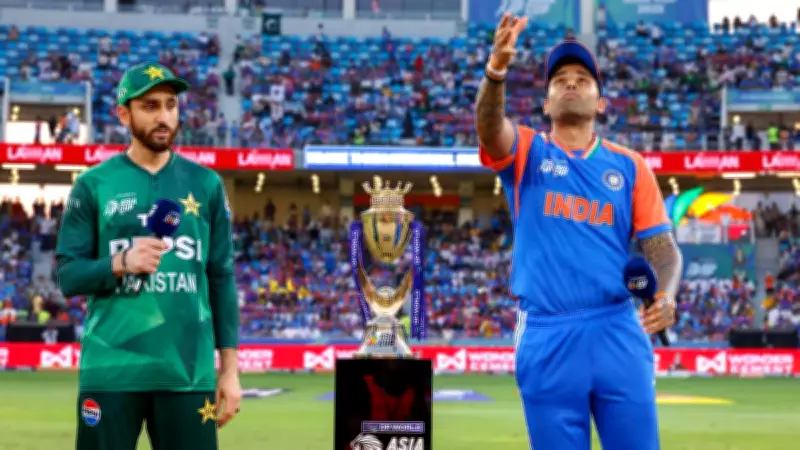
The ICC's rejection has significant implications for the cricketing world and India-Pakistan relations. For cricket, it means that fans will continue to miss out on high-profile matches between these arch-rivals, except in ICC events like the World Cup where they are scheduled to meet. This absence affects viewership, revenue, and the global appeal of the sport, as India-Pakistan clashes are among the most-watched and lucrative fixtures in cricket.
From a diplomatic perspective, this episode reflects the broader challenges in India-Pakistan relations. Cricket has often been a barometer of political tensions, with matches suspended or canceled during periods of conflict. The ICC's stance reinforces the notion that sports cannot be divorced from politics, especially in regions where historical and territorial disputes run deep. It also highlights the limitations of international sporting bodies in resolving such complex issues.
Future Outlook and Reactions
Reactions to the ICC's decision have been mixed. Pakistani officials expressed disappointment, arguing that it undermines efforts to normalize relations through sports. In contrast, Indian authorities welcomed the move, reiterating that bilateral cricket can only resume when political conditions improve. Cricket analysts note that this development could lead to further isolation of Pakistan in international cricket, potentially affecting their participation in future ICC events.

Looking ahead, the focus shifts to the T20 World Cup and whether Pakistan will follow through on its boycott threat. If they do, it could have cascading effects on the tournament's format and credibility. Meanwhile, the ICC is likely to continue advocating for dialogue between the boards, but without overstepping its mandate. This situation serves as a reminder of the fragile nature of sports diplomacy in regions fraught with political discord.
In summary, the ICC's rejection of Pakistan's demand for a bilateral series with India marks a pivotal moment in cricket diplomacy. It underscores the enduring impact of political tensions on sports and sets the stage for potential confrontations at upcoming international events. As both nations navigate this impasse, the cricketing world watches closely, hoping for a resolution that balances sporting aspirations with geopolitical realities.