ICC Takes Uncompromising Stance on Tournament Integrity After Bangladesh's India Refusal
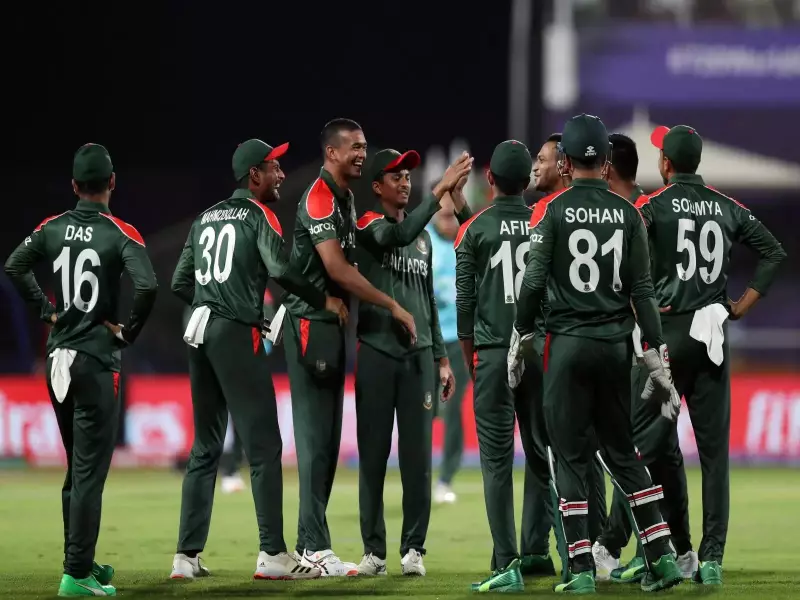
The International Cricket Council has demonstrated unwavering resolve in protecting the sanctity of its global tournaments following Bangladesh's persistent refusal to travel to India for the upcoming 2026 ICC Men's T20 World Cup. After exhausting every possible diplomatic channel and engaging in prolonged discussions, the governing body has made the difficult decision to safeguard the tournament's integrity and fixture schedule.
Exhaustive Dialogue Precedes Final Decision
According to detailed reports, the ICC leadership, including CEO Geoff Allardice and other senior officials, maintained constant communication with Bangladesh Cricket Board representatives over an extended period. The global cricket body provided ample opportunity for the BCB to reconsider its position, demonstrating genuine concern that Bangladesh should not feel marginalized within the international cricket community.
However, the ICC remained equally firm on a fundamental principle: allowing any member board to demand relocation of scheduled matches would establish a dangerous precedent that could undermine future tournament planning and organization. This principle became particularly significant during the ICC board meeting on January 21, where all but two member nations rejected Bangladesh's request to move its matches away from Indian venues.

Security Assessment Dispute and Missed Deadline
Following the decisive board meeting, the ICC presented Bangladesh with a 24-hour ultimatum to formally confirm its participation in the tournament. When this deadline passed without compliance, the BCB instead raised fresh objections, particularly questioning the ICC's security assessment that had classified the threat perception for the Bangladesh team in India as moderate to low.
The Bangladesh board reportedly countered this assessment, claiming the threat level was moderate to high. This stance generated considerable surprise within ICC circles, especially considering Bangladesh had toured Pakistan for the Champions Trophy the previous year despite a higher threat perception at that time compared to the current assessment for India.
Final Breakdown and Tournament Restructuring
Despite indications during the Bangladesh Premier League final on January 23 that the board might soften its position, these expectations proved unfounded. The BCB continued to present hypothetical scenarios rather than offering the clear commitment the ICC required. Although Bangladesh eventually communicated with the ICC after the deadline had expired, the governing body determined it had waited sufficiently long.
On Saturday, ICC chief executive Geoff Allardice informed board members that, based on the January 21 resolution, the organization was compelled to take definitive action. Consequently, Bangladesh has been officially replaced by Scotland in the 2026 T20 World Cup tournament lineup, ensuring the competition proceeds with a full complement of participating teams.
Broader Implications for International Cricket
This development represents a significant moment in international cricket governance, highlighting the delicate balance between accommodating member concerns and maintaining tournament integrity. The ICC's decision underscores its commitment to consistent application of rules and security protocols across all member nations, regardless of individual circumstances or bilateral relationships.
The replacement of an established cricketing nation like Bangladesh with an associate member like Scotland also opens new opportunities for emerging cricket nations while sending a clear message about the consequences of last-minute withdrawals from major tournaments. This decision will likely influence future tournament planning and participation agreements across the global cricket landscape.