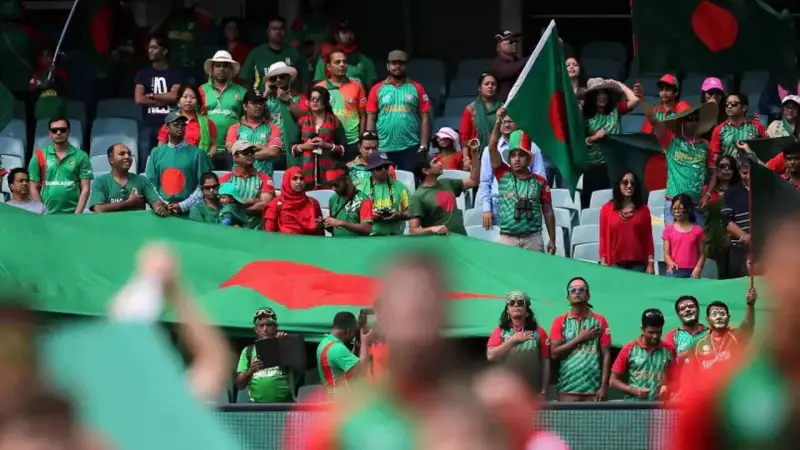
ICC Revises Media Accreditation Process Following Bangladesh's T20 World Cup Withdrawal
The International Cricket Council (ICC) has initiated a comprehensive review and modification of its media accreditation procedures specifically for Bangladeshi journalists seeking to cover the upcoming T20 World Cup in India. This significant development comes in direct response to Bangladesh's recent decision to withdraw their national team from the prestigious tournament, citing security concerns in the neighboring host country.
Accreditation Requests Face Rejection and Revision
According to multiple sources within the global cricket governing body, the ICC has begun actively reworking the application process after numerous Bangladeshi journalists reported their accreditation requests being rejected. "There is a reworking of the process since there is a change in the number of requests and the schedules. The accreditation lists are being worked out accordingly," confirmed ICC sources in a statement to PTI.
The situation has created considerable uncertainty among the Bangladeshi media community, with approximately 80–90 journalists having initially applied for accreditation to cover the tournament. Sources indicate that even if the Bangladesh team had participated, logistical constraints would have made it impossible to accommodate all requests due to established country quotas.

Quota System and Board Recommendations
"If you go by country quota, you can't exceed the number beyond 40. The ICC goes by the recommendations of the home board and accordingly takes a call on applications," explained sources familiar with the accreditation process. This quota system, combined with Bangladesh's withdrawal, has necessitated a complete reevaluation of media access arrangements.
In Dhaka, Bangladesh Cricket Board (BCB) media manager Amjad Hossain confirmed that the board has formally raised the accreditation issue with ICC authorities. "The decision came only yesterday and we have sought to know [the details]. An explanation has been requested. This is an internal and confidential matter, but to summarize—we wanted to know why this was done," Hossain told reporters during a media briefing.
Fresh Applications Required
Current indications suggest that Bangladeshi media members will now need to submit entirely fresh accreditation applications, which will be evaluated on a case-by-case basis rather than through the previous standardized process. This represents a significant departure from established procedures and has left many experienced journalists in limbo.
"I have covered 8 to 9 ICC World Cups. This was the first time my application was rejected. We are awaiting clarity from BCB before reapplying," revealed a senior Bangladeshi journalist with extensive tournament coverage experience.
Security Assessment and Tournament Changes
Interestingly, the ICC's own security assessment concluded that the Bangladesh cricket team faced no specific security threats in India, making their withdrawal particularly noteworthy. Despite this assessment, the Bangladesh cricket board maintained its decision against traveling to participate in the tournament.
As a direct consequence of Bangladesh's withdrawal, the ICC has replaced their team with Scotland for the T20 World Cup, which is scheduled to commence on February 7. This substitution has created ripple effects throughout tournament planning, including the media accreditation process that is now undergoing substantial revision.
The evolving situation highlights the complex interplay between international sports diplomacy, security considerations, and media access rights in major global sporting events. As the ICC continues to refine its accreditation procedures, journalists from Bangladesh remain uncertain about their ability to cover what promises to be one of cricket's most significant tournaments of the year.