India vs Pakistan T20 World Cup Clash Proceeds After ICC Mediation Ends Boycott Threat
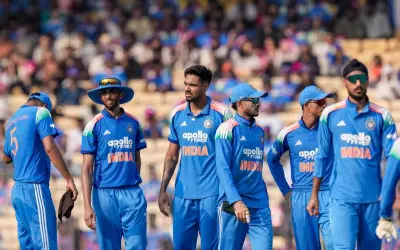
The highly anticipated India versus Pakistan T20 World Cup match, scheduled for February 15 in Colombo, will now proceed as planned following successful diplomatic negotiations mediated by the International Cricket Council (ICC). This resolution comes after Pakistan had initially threatened to boycott the fixture in solidarity with Bangladesh, creating significant uncertainty around one of cricket's most iconic rivalries.
ICC's Diplomatic Triumph Praised by BCCI Leadership
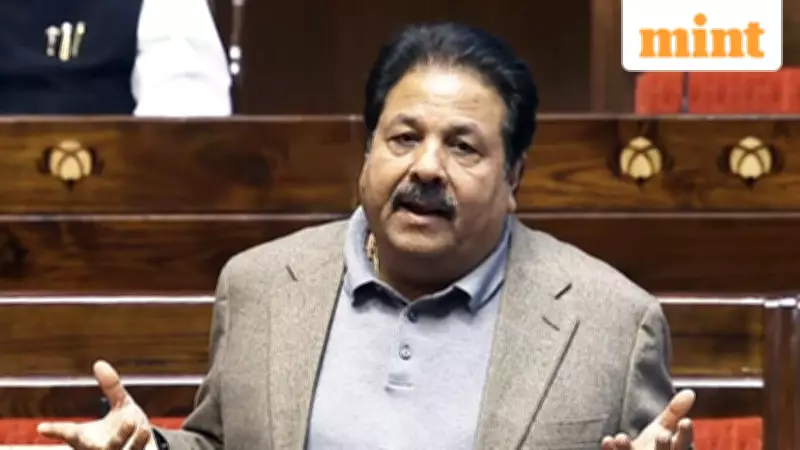
Board of Control for Cricket in India (BCCI) Vice President Rajeev Shukla has publicly commended the ICC for orchestrating what he described as a "workable solution" to the potential crisis. Shukla specifically thanked ICC Chairman Jay Shah and other officials for their proactive engagement with multiple cricket boards to preserve the tournament's integrity.
"Listening to every stakeholder allowed cricketing interests to prevail," Shukla emphasized. "It ensures that the tournament schedule remains intact and that the World Cup will be a successful event for everyone involved."

According to Shukla, the ICC initiated crucial dialogue with both the Pakistan Cricket Board (PCB) and Bangladesh Cricket Board (BCB), leading to what he characterized as a "balanced outcome" and a "win-win situation" for all parties. He noted that Bangladesh's concerns were adequately addressed during negotiations, with their board expressing satisfaction with the ICC's efforts.
Multilateral Pressure Influences Pakistan's Reversal
Pakistan's decision to reverse its boycott stance came after significant diplomatic pressure from neighboring cricket nations. The Bangladesh Cricket Board, through its chief Aminul Islam, publicly urged Pakistan to prioritize cricket's broader interests, while Sri Lankan President Anura Kumara Dissanayake personally contacted Pakistan Prime Minister Shehbaz Sharif to encourage participation.
The Pakistani government's official statement confirmed the reversal: "In view of the outcomes achieved in multilateral discussions as well as the request of friendly countries, the Government of Pakistan hereby directs the Pakistan National Cricket Team to take the field on February 15, 2026, for its scheduled fixture."
This diplomatic intervention followed discussions between PCB chairman Mohsin Naqvi and ICC delegates, during which the ICC demonstrated flexibility by deciding against penalizing Bangladesh for their earlier withdrawal due to security concerns.
Financial and Sporting Stakes Behind the Resolution
The resolution carries substantial implications beyond mere scheduling. An India-Pakistan cricket match represents one of the most financially significant fixtures in global sports, with broadcast rights, sponsorship deals, and fan engagement generating enormous revenue. The potential cancellation threatened not only the tournament's commercial success but also the spirit of international cricket competition.
Shukla highlighted this broader context, stating: "Ultimately cricket is most important for everyone, international cricket is important for everyone." He described bringing Pakistan back to the negotiating table and confirming their participation as a "major achievement for global cricket."
The crisis originated when Pakistan announced its boycott after the ICC asked Scotland to replace Bangladesh in the T20 World Cup 2026 following Bangladesh's withdrawal. This chain of events threatened to disrupt the entire tournament structure before the ICC's intervention restored stability.
Looking Forward to the Colombo Showdown
With the boycott threat now resolved, cricket fans worldwide can anticipate the February 15 clash in Colombo without uncertainty. The match promises to be a highlight of the T20 World Cup 2026, featuring two of cricket's most passionate rivals on the global stage.
The successful mediation demonstrates cricket's unique position at the intersection of sport and diplomacy, where multilateral negotiations can overcome political tensions to preserve sporting excellence. As Shukla concluded, the resolution ensures that "cricketing interests prevail" while maintaining the tournament's schedule and competitive integrity.