The High-Stakes Drama Behind India-Pakistan's T20 World Cup Showdown
Was the highly anticipated India versus Pakistan clash at the T20 World Cup 2026 ever truly in jeopardy? While cricket enthusiasts held their breath, those within cricket administration circles maintained a different perspective. The real question wasn't whether the match would happen, but rather which nation would ultimately yield in the tense diplomatic standoff that unfolded behind closed doors.
The Swift Political Maneuvering That Saved the Match
Pakistan's cricket administration demonstrated remarkable political access when crisis loomed. Following what were described as preliminary talks with the International Cricket Council, the Pakistan Cricket Board required less than ninety minutes to secure Prime Ministerial approval for the crucial match. This extraordinary access to the highest levels of government enabled a late-night decision that ultimately preserved one of cricket's most storied rivalries.
Each nation involved—India, Pakistan, and Bangladesh—naturally interpreted events through their own political and strategic lenses. However, one consequence remained universally clear: had this match been cancelled, the ripple effects would have devastated cricket throughout the Indian subcontinent for potentially a decade or more.

The Staggering Economic Stakes at Risk
The financial implications of cancellation were nothing short of catastrophic. A cricketing economy valued between $250 and $300 million stood on the brink of complete collapse. This economic devastation would have cascaded through every level of the sport, affecting not just India-Pakistan contests but all matches involving these nations, including the prestigious Asia Cup tournament.
Media rights cycles would have evaporated overnight, particularly damaging the separately negotiated India market that represents a cornerstone of ICC revenue. The credibility of international cricket governance would have suffered irreparable harm, making future tournament sponsorship and broadcasting agreements significantly more challenging to secure.
The reality is that eight ICC full member nations operate perpetually near financial insolvency. For these cricket boards, participation fees from ICC tournaments represent essential operating capital. The loss of such revenue streams could have pushed multiple cricket nations toward financial ruin.Unpacking Pakistan's Negotiation Strategy
Pakistan's threat of withdrawal ultimately proved more theatrical than substantive. Cricket administrators understood the mathematical reality: their participation was essential to preserving the economic ecosystem that sustains the sport regionally. The posturing about achieved demands rings hollow when examined closely.
Bangladesh's situation provides important context. Following the ICC's decision to relocate the 2024 Women's World Cup from Bangladesh, the promise of a future tournament between 2029 and 2031 represented little more than rescheduling rather than concession. The ICC largely maintained its original positions despite the diplomatic pressure.
The Bangladesh Factor and Diplomatic Complications
The controversy surrounding Mustafizur Rahman's IPL exclusion created unexpected complications. Bangladesh's decision to frame their concerns as security issues rather than diplomatic protests triggered mandatory ICC risk assessments that consumed precious negotiation time. This procedural requirement inadvertently created space for Pakistan's intervention in what might otherwise have remained a bilateral India-Bangladesh matter.
Bangladeshi officials later acknowledged their government's travel restrictions, though this position wasn't clearly communicated during initial negotiations. Pakistan's expression of solidarity with Bangladesh—a nation that hasn't toured Pakistan in over a decade—created additional layers of diplomatic complexity.
The Legal Realities and Force Majeure Misconceptions
The match's scheduled neutral venue in Colombo established clear legal parameters. Pakistan couldn't legitimately invoke force majeure clauses based on political solidarity, as such provisions don't cover diplomatic disagreements. Legal consequences for tournament withdrawal would have been substantial and immediate.

The existing agreement between India and Pakistan explicitly addresses their bilateral cricket relations: teams won't tour each other's countries for ICC or ACC tournaments, instead competing at neutral venues. This formal understanding spans the current rights cycle and the next, providing contractual stability despite political tensions.
The Evolving Nature of Cricket Rivalries
While India-Pakistan matches retain significant cultural importance, their economic dominance has evolved. The India-Australia rivalry now represents cricket's most financially substantial contest, with concrete revenue figures supporting this shift. Pakistan's negotiation tactics risked further diminishing their standing within the cricketing ecosystem.
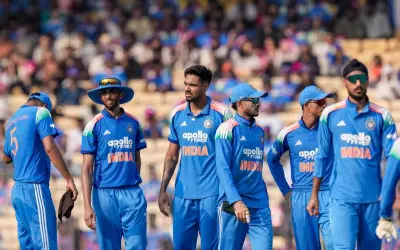
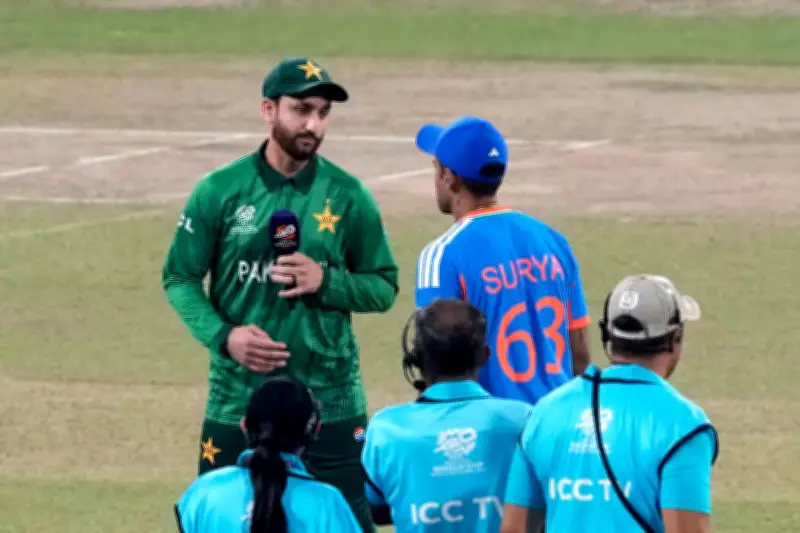
The resolution ultimately refocused attention where it belongs: on the cricket field. As players took their positions in Colombo, the behind-the-scenes drama faded, replaced by athletic competition. The episode demonstrated that beyond certain thresholds, negotiation brinkmanship yields diminishing returns, particularly when economic realities outweigh political posturing.